Coordinating community-led conservation, securing wildlife migratory corridors, and empowering pastoral livelihoods across 1.3 million acres in southern Kenya.
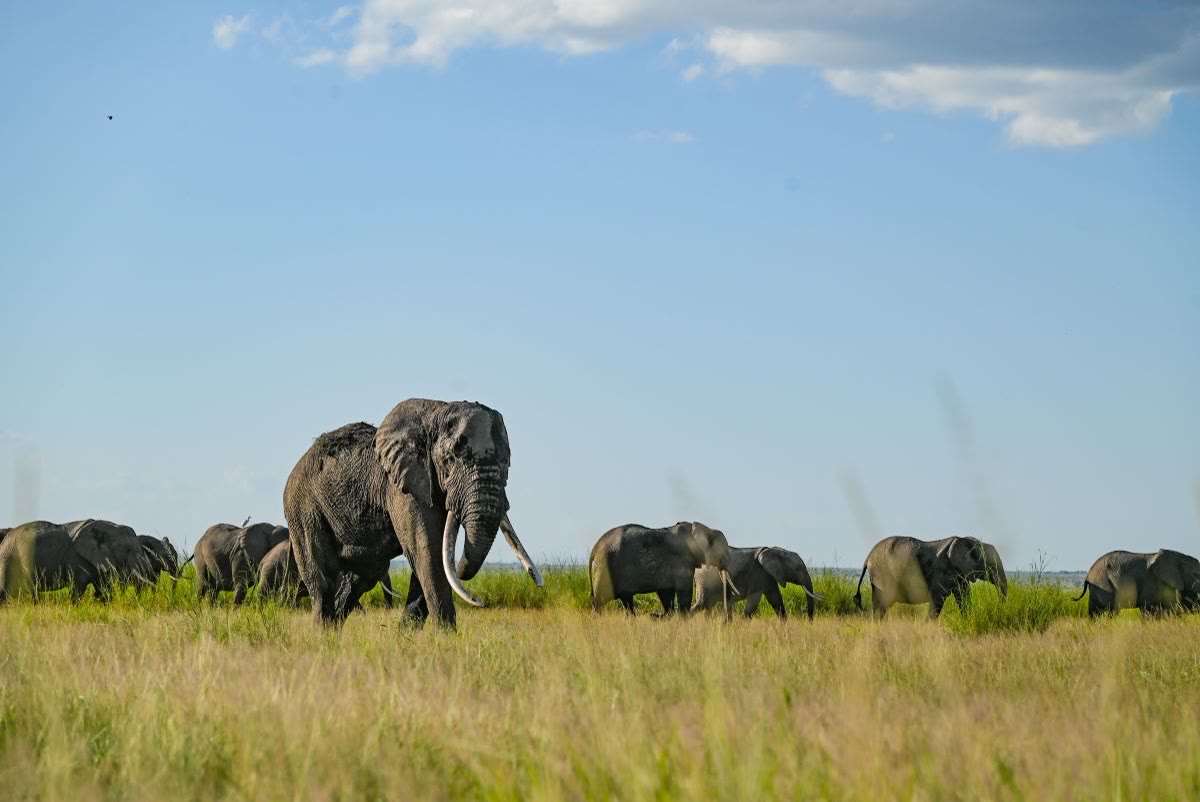
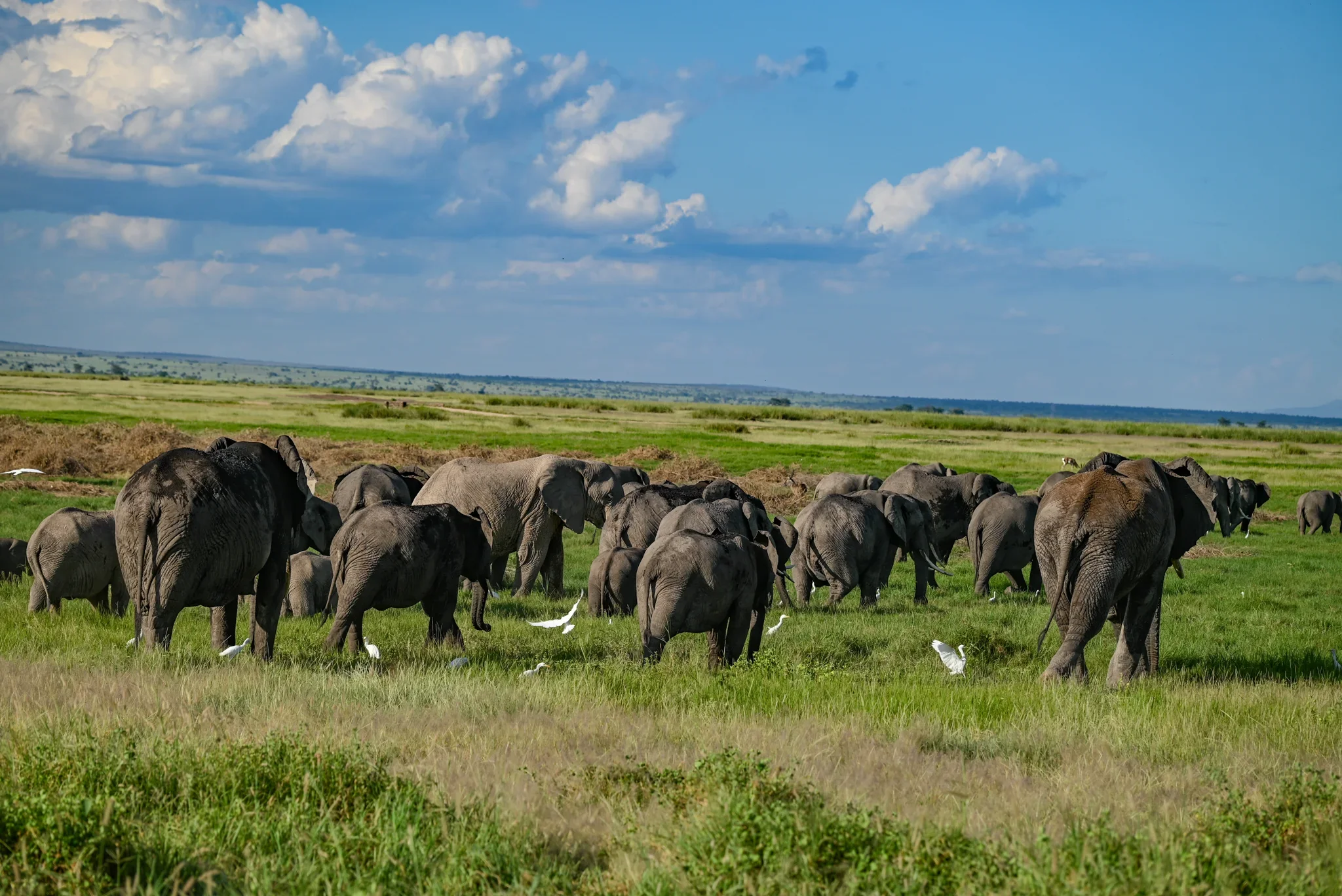
Safeguarding critical migratory corridors between Amboseli National Park, Chyulu Hills, and Tsavo so iconic elephant families roam free without barriers.
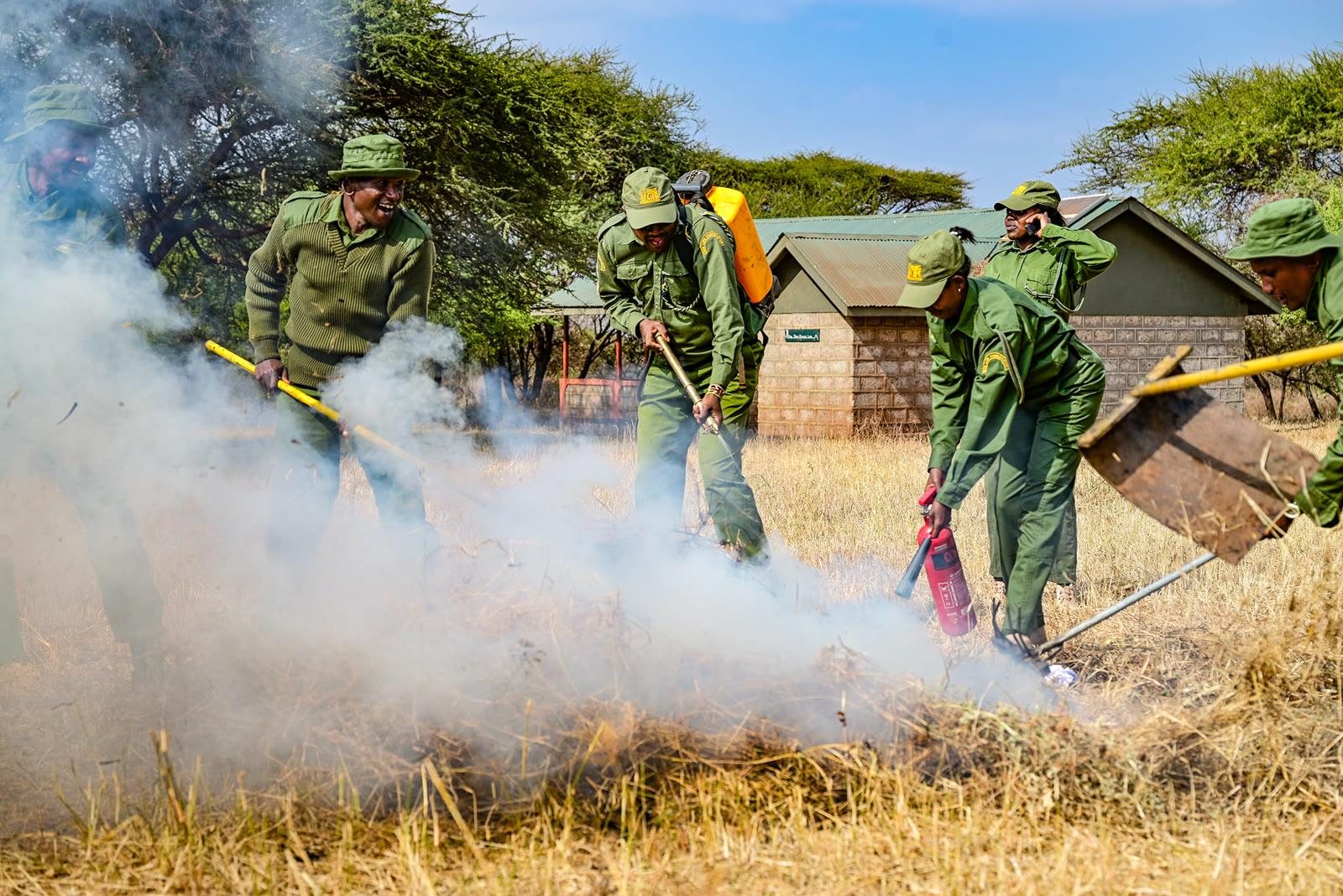
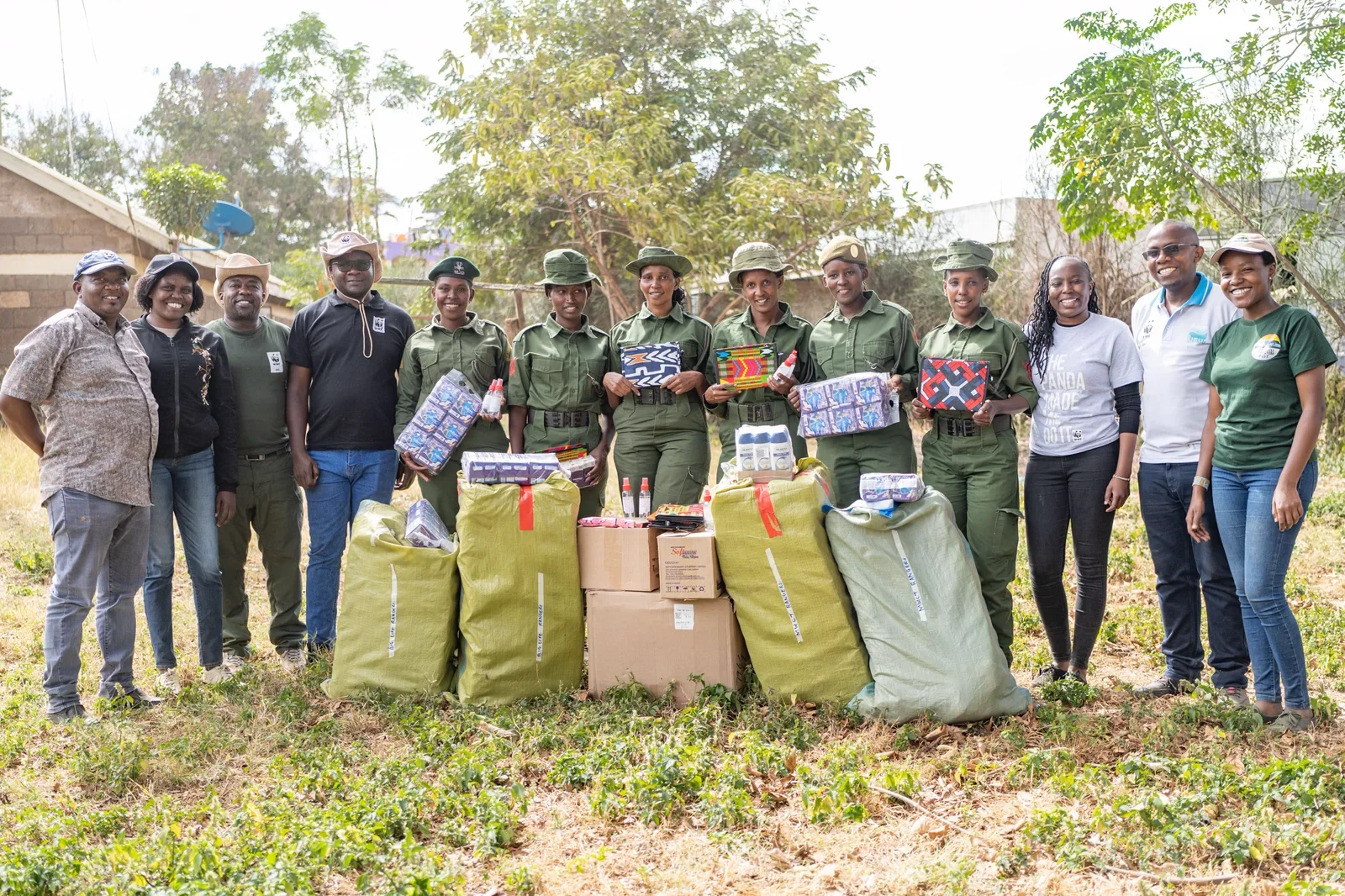
744 trained community wildlife rangers patrolling daily across 42 conservancies, responding to conflict, dismantling snares, and safeguarding wildlife 24/7.
Restoring Living Savannas for Generations to Come.
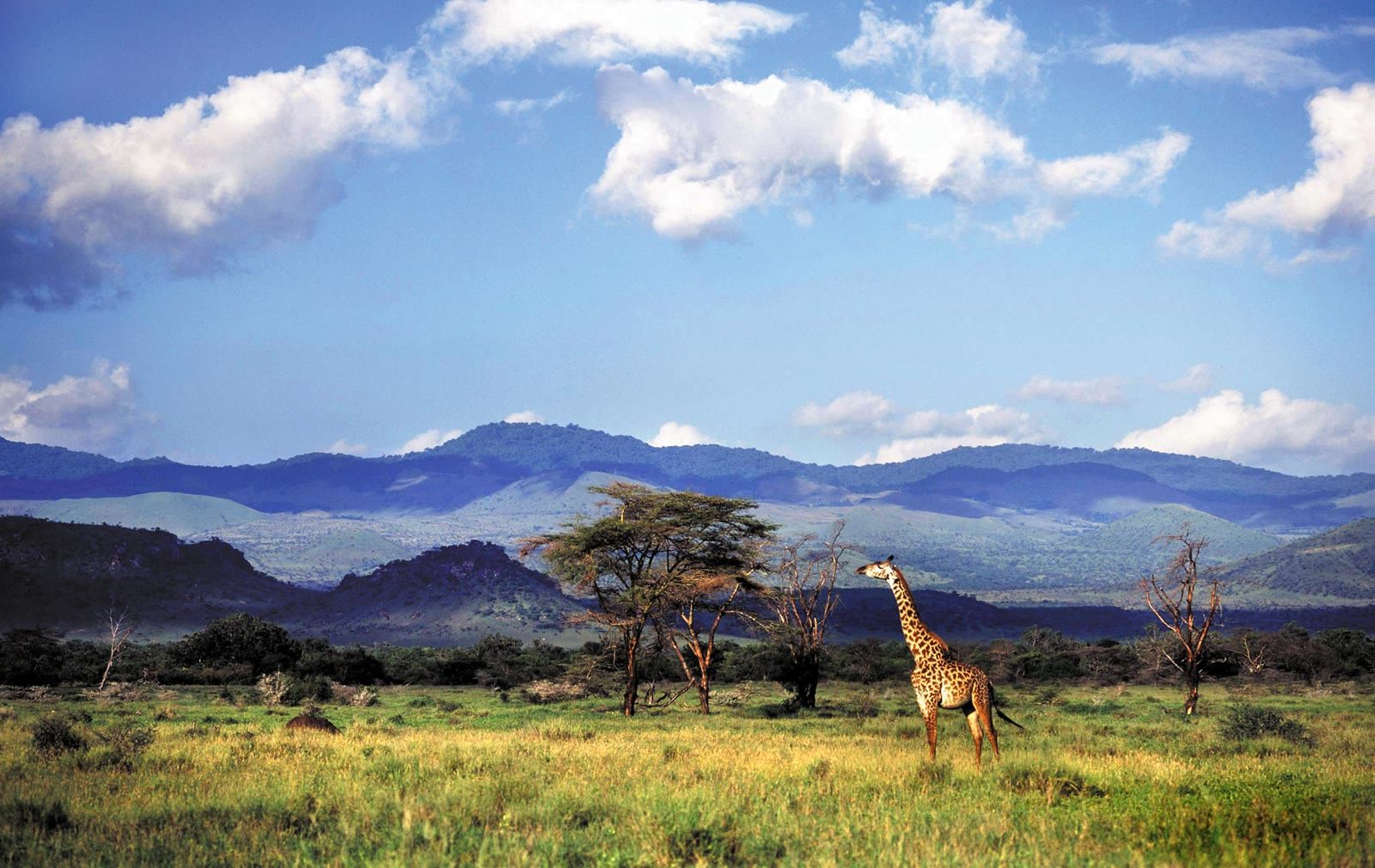
Regenerating indigenous grasslands, managing seasonal grazing, securing freshwater springs, and building climate resilience under the Amboseli Master Plan.
Official verified metrics tracking statutory land-use planning, community conservancy tenure, pasture restoration, and wildlife security across the 1.3 million acre Greater Amboseli Ecosystem.
Community-formulated rotational grazing frameworks regulating wet and dry season pastures to build drought resilience.
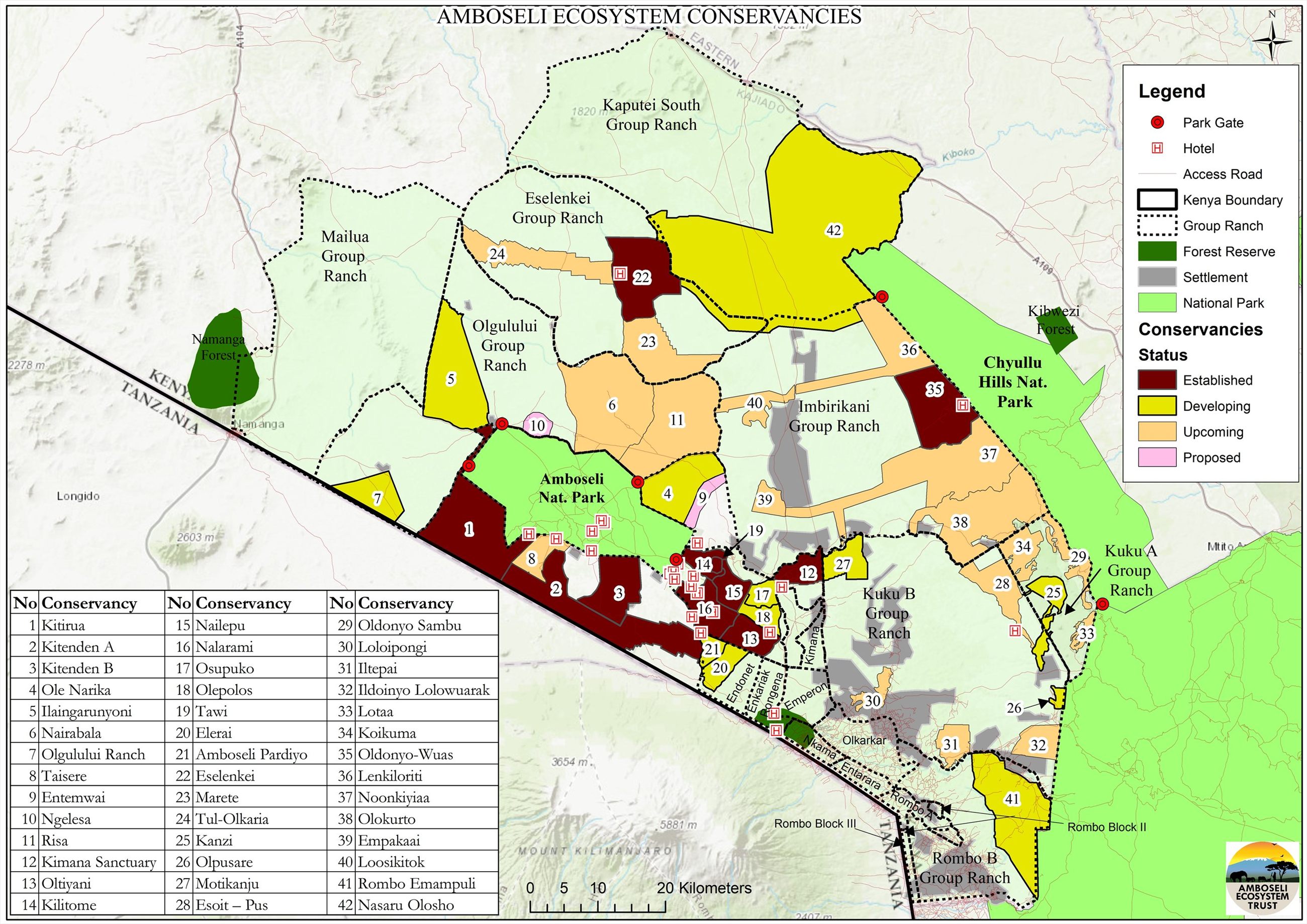
42 CONSERVANCIES
42
Community Conservancies
Organized across 7 landscape groups, uniting over 90,000 pastoralist families (verified 42 replaces older 35 figure).
GOVERNANCE
4
Conservancy Management Plans
Formally completed, audited, and active management plans complying with Kenya Wildlife Service (KWS) statutory standards.
LANDSCAPE SCALE
1.3M
Total Ecosystem Area (Acres)
5,700 km² contiguous UNESCO Biosphere Reserve connecting Amboseli National Park, Chyulu Hills, and Tsavo West.
SECURED HABITAT
650,166
Acres in Conservancies
Formally consolidated community sanctuaries safeguarding crucial elephant corridors and resident predator territories.
PASTORAL COMMONS
716,122
Acres in Communal Rangelands
Indigenous savannah rangelands dedicated to seasonal livestock grazing, grass seedbanks, and wildlife co-existence.
FIELD GUARDIANS
744
Rangers Across Ecosystem
Community scouts on daily 24/7 patrol with 249 trained at the Amboseli Conservation Academy maintaining zero elephant poaching.
Impact Model
Conservation succeeds when landscape governance is united, community land rights are defended, and pastoral families thrive directly from nature.
Apex Foundation • Landscape Coordination
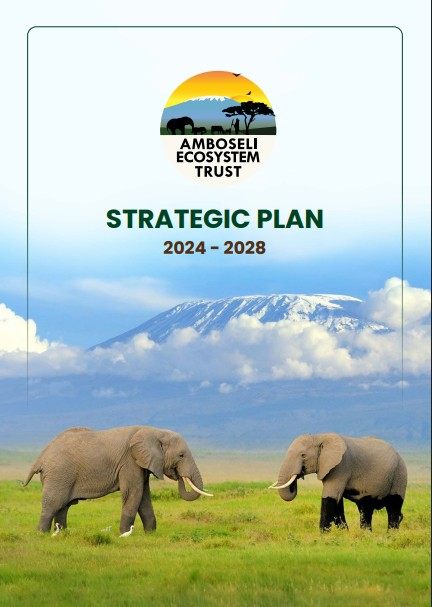
Strategic Plan Mandate
One Landscape. 42 Conservancies. One Master Blueprint.
Amboseli Ecosystem Trust operates as the mandated apex umbrella, bringing all stakeholders together under a unified legal vision—the gazetted Amboseli Ecosystem Management Plan (AEMP 2020–2030)—ensuring pastoral communities, wildlife corridors, and conservation interests are harmoniously aligned across 1.3 million contiguous acres.
1.3MAcres Aligned
42Conservancies
100%Shared Vision
Live Coordination Hub
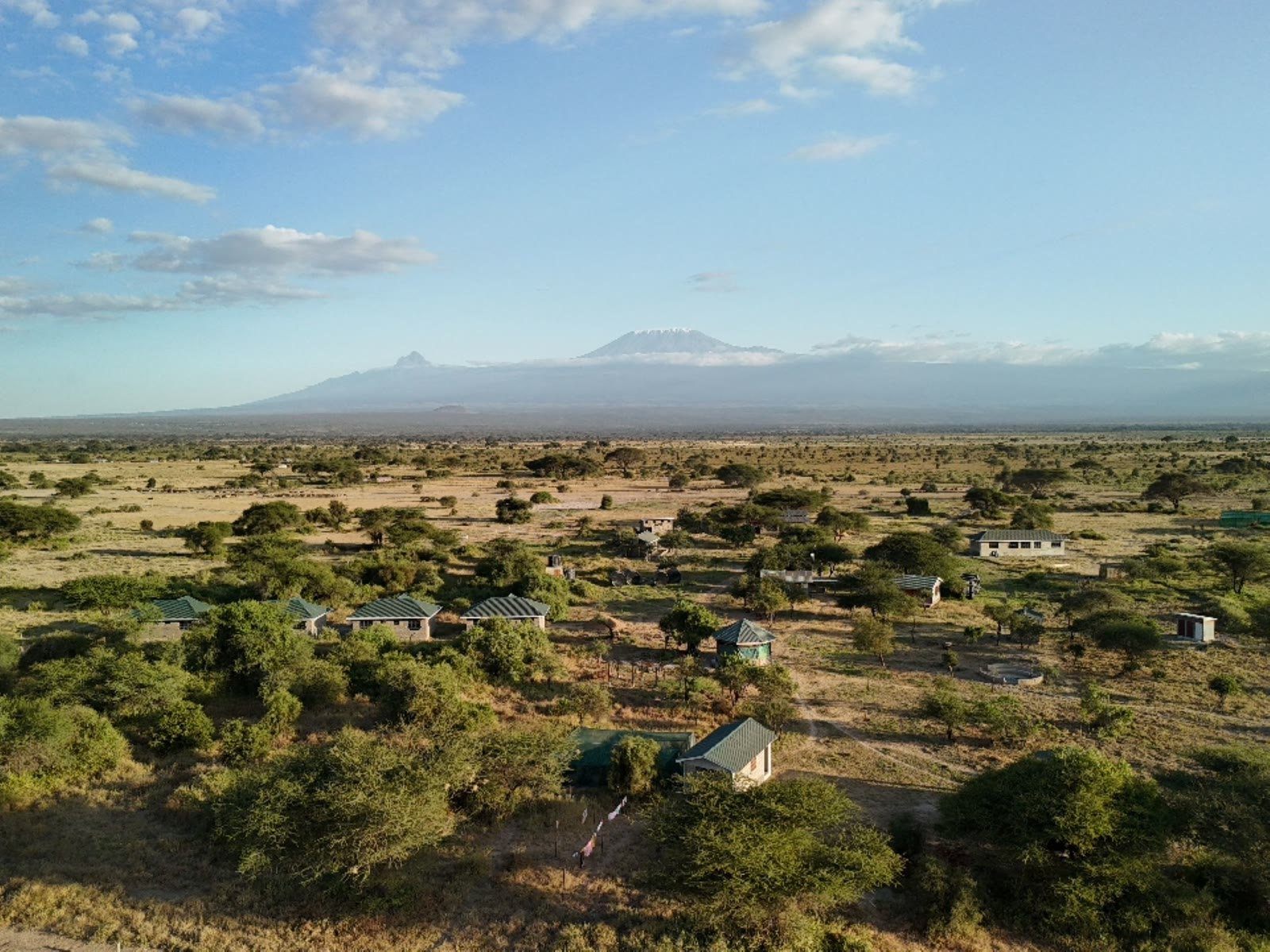
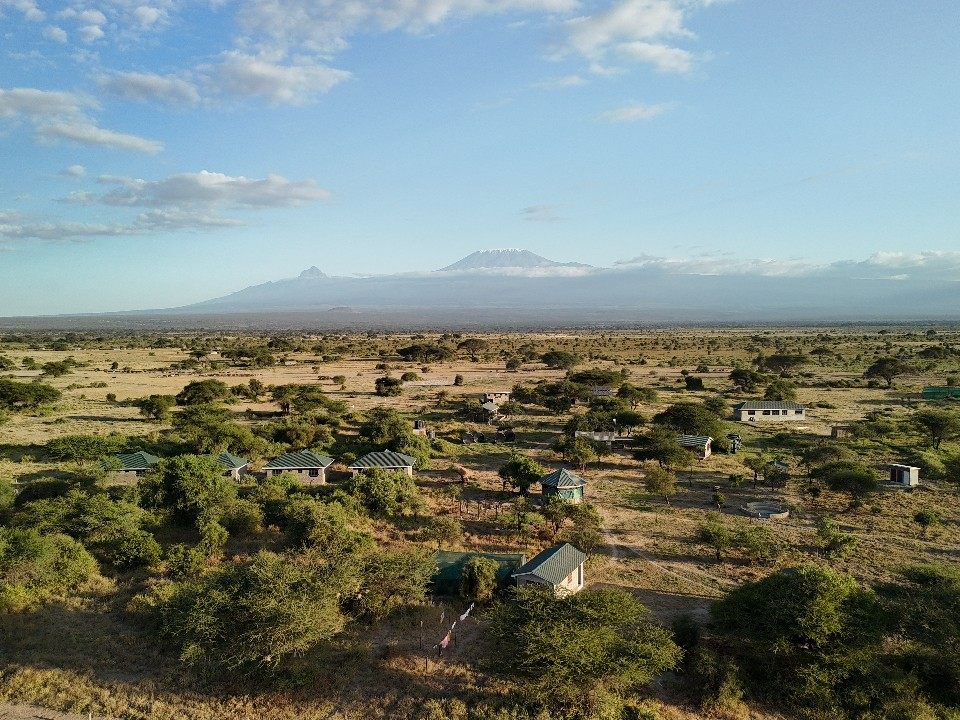
Noonkotiak Resource Centre
Central operational nexus uniting 7 historic group ranches & regional conservation authorities.
Powers Three Operational Pillars • Click to Expand
Pillar 01 • OversightPlan Details
→
Oversight
Landscape-scale spatial surveillance & statutory land zoning enforcement.
5
CorridorsSecured & Monitored
Hover for deliverables & mandate
Pillar 01 • Oversight Mandate
5Corridors
Oversight
Ensure land and resource planning and use is done responsibly and sustainably across the 1.3M-acre ecosystem.
Delivering Measurable Impact Horizons • Click to Expand
Social & Economic Horizon
Outcome Targets
→
People Benefit
Hover to reveal impact & metrics
Social & Economic Horizon
People Benefit
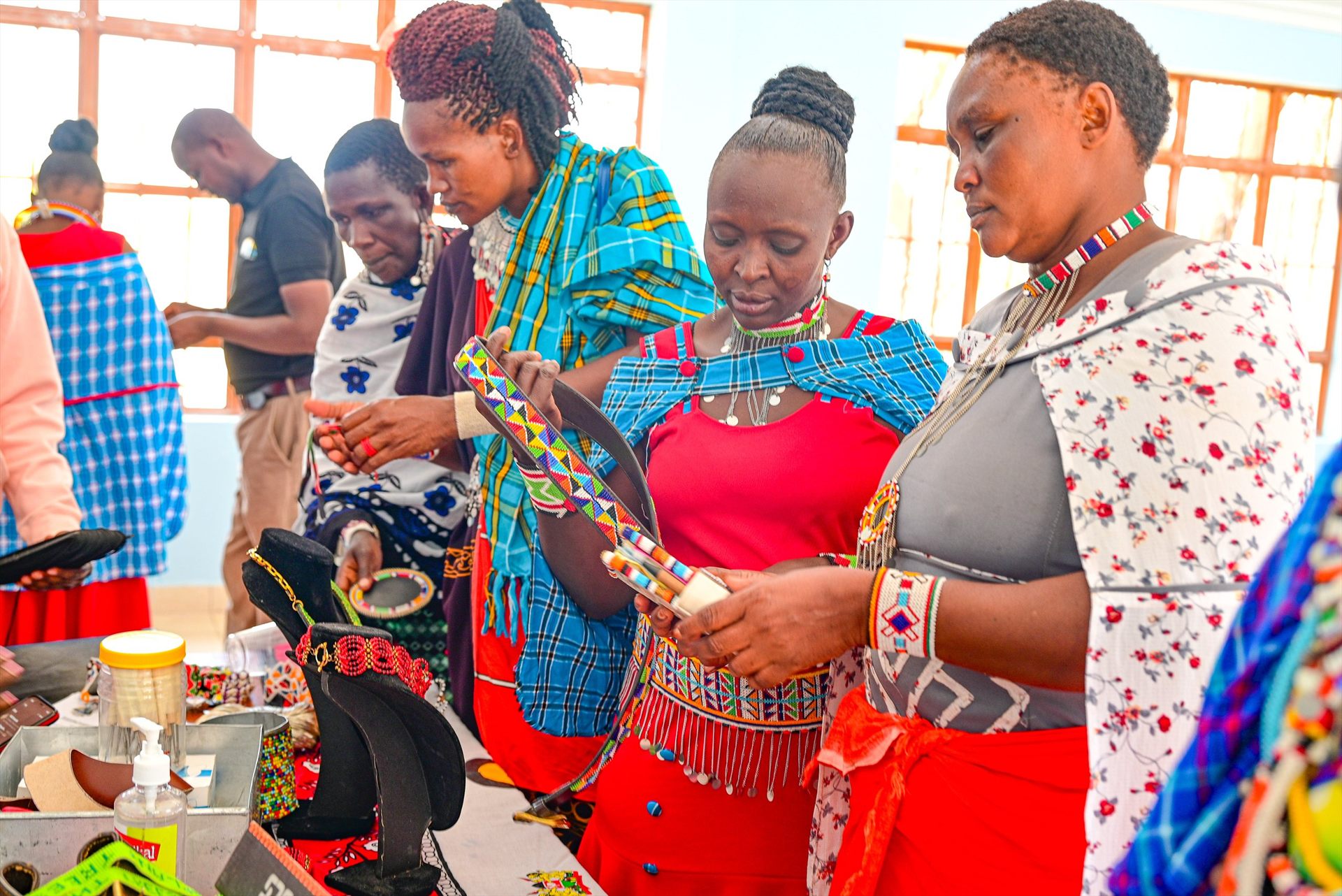
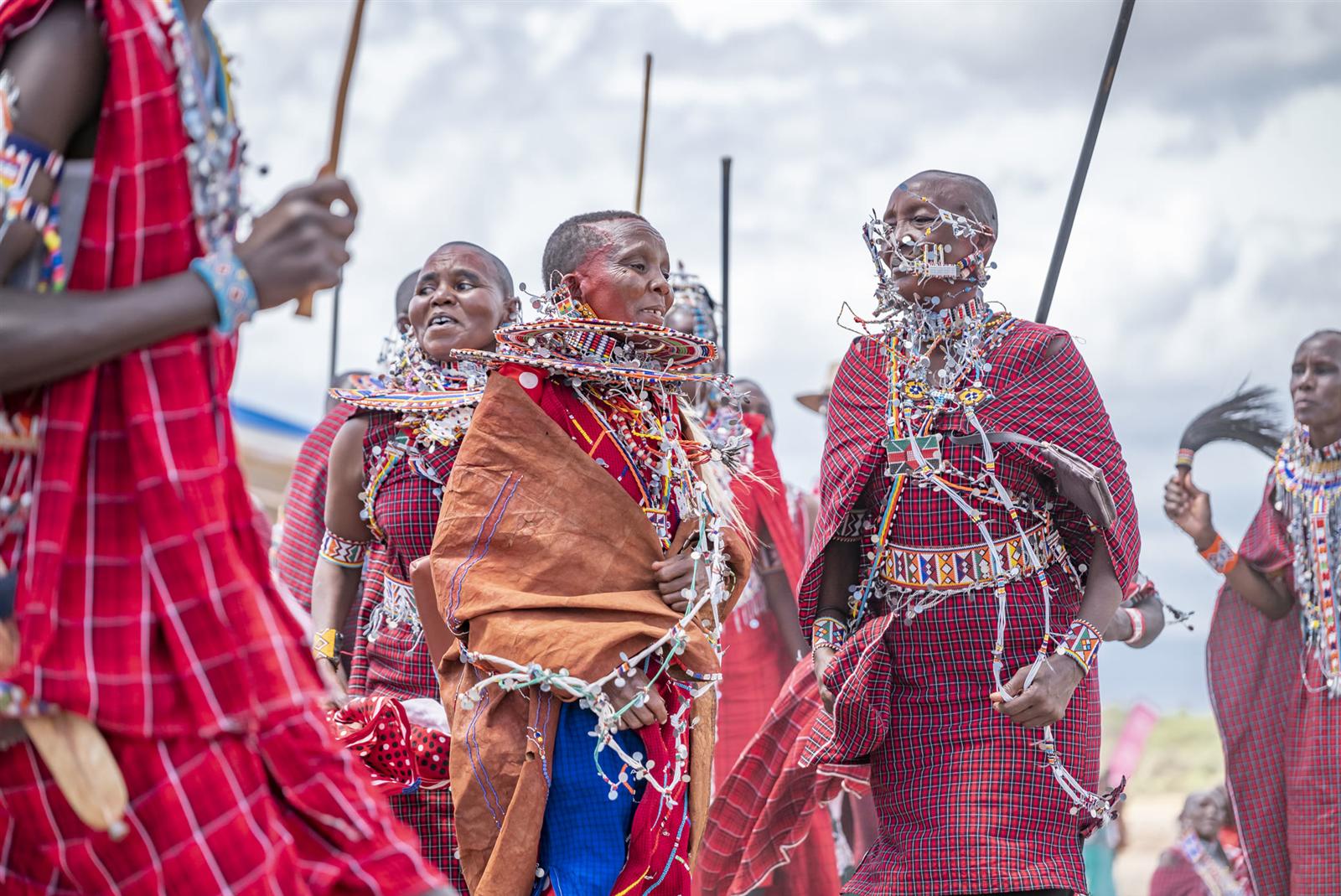
People in Amboseli own, manage, and benefit directly from their land resources. Defended communal tenure, reliable tourism lease dividends, and pasture regeneration ensure pastoral livelihoods flourish in dignity.
$2.5MAnnual Landowner Lease Dividends
90,000Pastoralists Directly Empowered
44Grassroots Grazing Committees
Ecological Horizon
Outcome Targets
→
Thriving Ecosystem
Hover to reveal impact & metrics
Ecological Horizon
Thriving Ecosystem
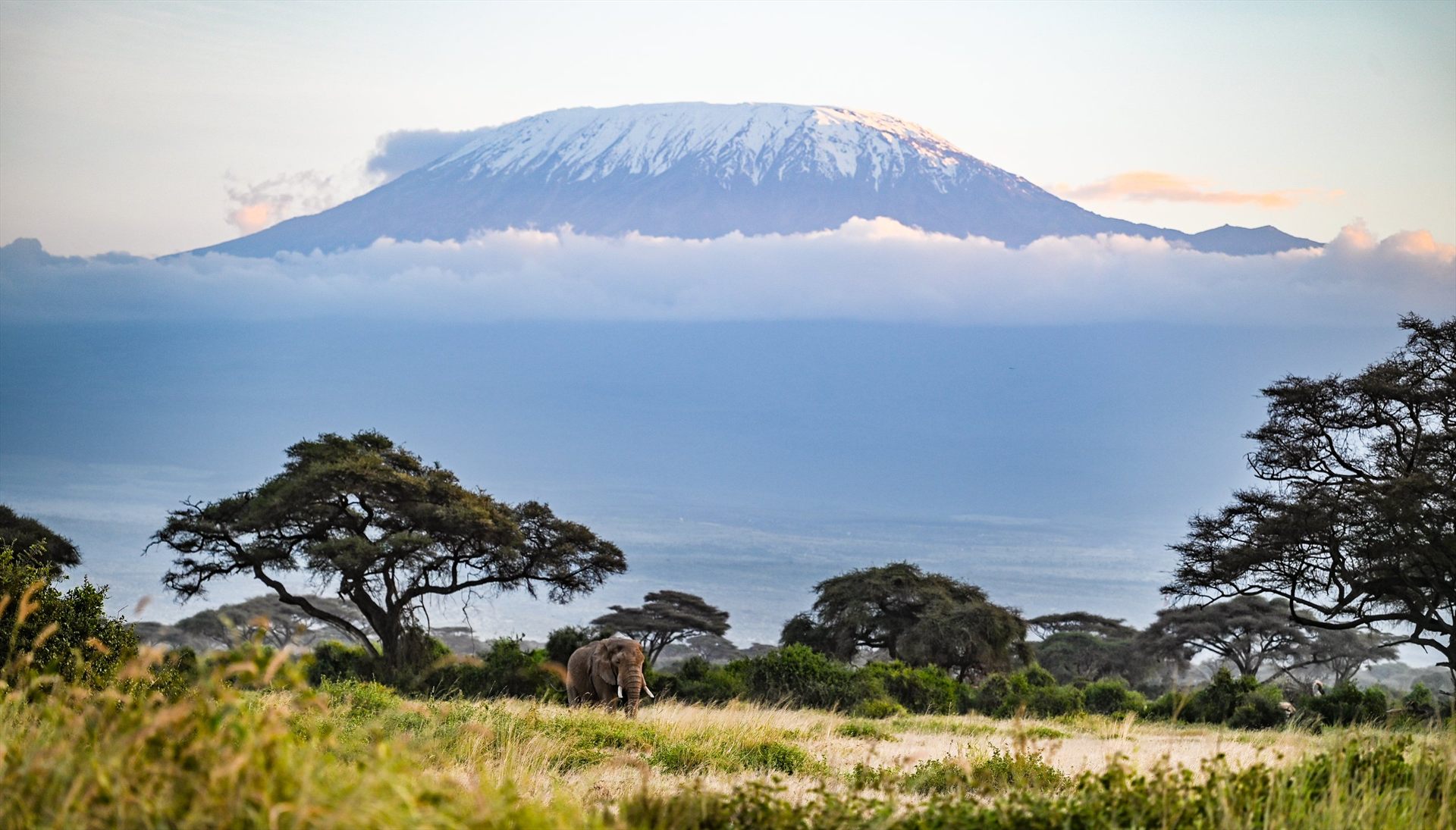
Amboseli's wildlife, habitats, and communities thrive together. Connected, unfenced corridors allow Africa's greatest elephant herds and iconic wildlife to migrate freely in harmony with pastoralist herds.
1.3MContiguous Acres Fully Connected
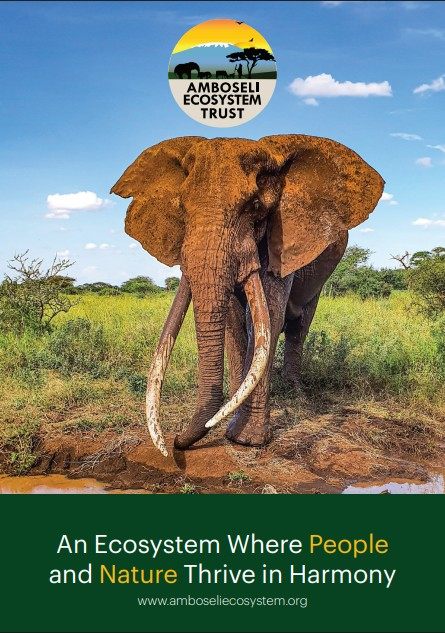
2,000Free-Roaming African Elephants
ZeroPoaching in Monitored Corridors
Amboseli Ecosystem Trust • Strategic Plan 2024–2028
Strategic Architecture & 5-Year Roadmap
Official governance mandates, institutional pillars, and verified landscape targets across 1.3 million acres.
Five-Year Strategic Roadmap (2024–2028)
Gazetted Institutional Strategy guiding 42 Community Conservancies & 90,000 Pastoralists.
The Amboseli Ecosystem Trust Strategic Plan 2024–2028 is the official statutory roadmap engineered to address intensifying land fragmentation, climatic vulnerability, and human-wildlife conflict. It establishes an unbreakable pact between indigenous Maasai landowners and conservation partners across 1.3 million contiguous acres.
Central Operational Hub based in Loitokitok / Kimana.
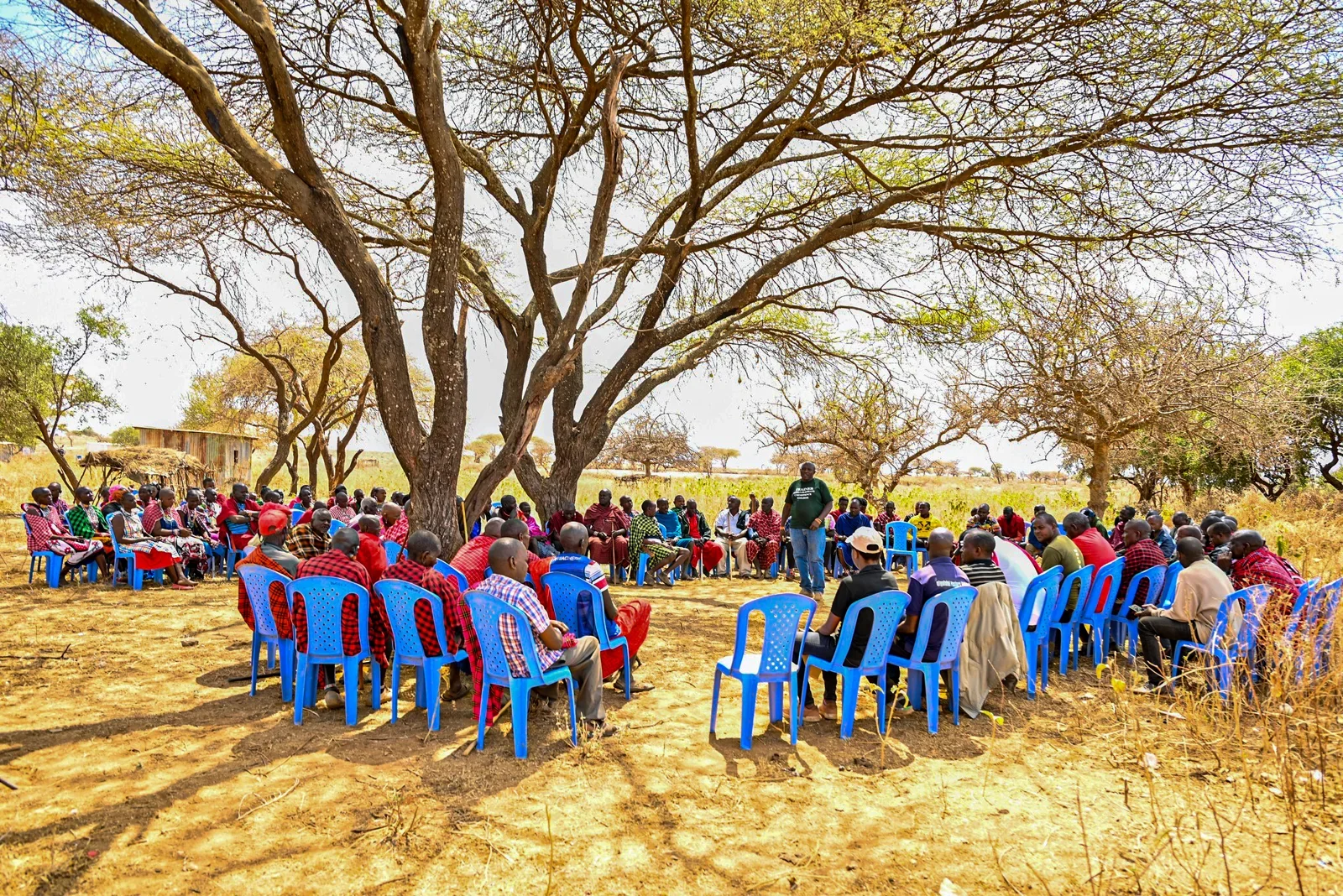
AET serves as the mandated institutional umbrella uniting 7 former Group Ranches (Olgulului-Ololarashi, Mbirikani, Kuku, Selenkei, Kimana, Rombo, and Mailua). Through the Project Implementation Committee (PIC), AET provides high-level liaison between community landowners, Kenya Wildlife Service (KWS), Kajiado County Government, and regional NGOs.
2024–2028 Priority Milestones
✓Maintain 100% stakeholder consensus across all 42 conservancies.
✓Establish automated GIS intelligence hub at Noonkotiak Centre.
✓Standardize annual fiduciary audits for conservancy management boards.
✓Noonkotiak Resource Centre (Offices, Conference & GIS Lab)
✓Amboseli Conservation Academy (Ranger Training Center)
✓Ecosystem-Wide Digital Radio Communication Network
✓Centralized Spatial Information System (SIS Database)
7Group Ranches Harmonized
42Conservancies Coordinated
100%Community Consensus
Pillar 01: Oversight & Spatial Planning Mandate
Enforcing the gazetted Amboseli Ecosystem Management Plan (AEMP 2020–2030).
AET exercises landscape-scale oversight to ensure all land uses, physical developments, and infrastructure projects adhere strictly to gazetted ecological zoning laws. We maintain vigilant monitoring against illegal fencing and corridor fragmentation.
5 Protected Wildlife Corridors
✓Kimana Corridor: Linking Amboseli National Park to Chyulu Hills
✓Kitenden Corridor: Connecting Amboseli with Mt. Kilimanjaro (Tanzania)
✓Motikanju Corridor: Free transit to northern rangelands
Pastoralist communities bear the direct economic cost of living with large predators and elephants. AET acts as their statutory representative in national policy consultations, legislative hearings, and commercial lease negotiations to ensure local people receive fair returns.
✓Kajiado County Legislation: Conservancy relief taxation bylaws.
✓Ecotourism Standard Leases: Eliminating predatory operator contracts.
✓Carbon Market Rights: Securing 80%+ carbon revenues for local clans.
2024–2028 Advocacy Targets
✓Guarantee $2.5M in baseline annual lease income for conservancy members.
✓Legal defense fund supporting land committees against illegal alienation.
✓100% of commercial lodges paying verified conservation bed-night fees.
✓Youth & women parliamentary delegations presenting Amboseli petitions.
90,000Pastoral Voices Represented
$2.5MAnnual Lease Dividends Defended
100%Community Rights Protected
Pillar 03: Support & Local Institutional Capacitation
Equipping 744 Rangers, 44 Grazing Committees & Women Grass Seedbanks.
Conservation is sustained by the frontline men and women on the ground. AET provides professionalized training, radio dispatch logistics, financial governance support, and pasture restoration toolkits to local conservancy boards and scout bases.
Frontline Support Operations
✓744 Community Rangers: Daily security, anti-poaching & tracking.
✓Amboseli Conservation Academy: Standardized paramilitary & human rights syllabus.
✓Women Seedbanks: 1.7T of indigenous grass seeds harvested & sold.
2024–2028 Support Targets
✓Train and certify an additional 150 community scouts at the Academy.
✓Equip all ranger outposts with solar power, water harvesting & satellite radios.
✓Restore 716,122 acres of communal rangeland via rotational grazing plans.
✓Seed funding for 20 new women-led conservation micro-enterprises.
744Active Community Scouts
44Grazing Committees Operational
716,122Acres of Rangeland Managed
Strategic Outcome: People Benefit
People in Amboseli own, manage, and benefit directly from their land resources.
The ultimate test of conservation success is human dignity and community prosperity. By converting open wildlife rangelands into secured financial assets through tourism leases, sustainable grazing, and carbon revenues, AET ensures pastoralists are the primary beneficiaries of their landscape.
Direct Household Benefits
✓Guaranteed direct bank disbursements of $2.5M annually to landowners.
✓Healthy dry-season pastures safeguarding over 300,000 pastoral livestock.
✓Educational bursaries funded from ecotourism conservancy revenues.
✓Clean solar water borehole infrastructure installed in community zones.
2024–2028 Impact Horizons
✓Expand verified beneficiary households to reach over 90,000 people.
✓Achieve 100% timely dividend payment schedules across all 42 boards.
✓Train 500 pastoral women in commercial beekeeping & seed harvesting.
✓Zero evictions or involuntary displacements through defended community titles.
$2.5MAnnual Lease Dividends
90,000Pastoralists Directly Empowered
44Active Grazing Committees
Strategic Outcome: Thriving Ecosystem
Amboseli's wildlife, habitats, and communities flourish together.
A connected Amboseli represents one of the planet's premier conservation treasures. Our 2024–2028 ecological horizon safeguards the ancient migration corridors linking Amboseli National Park, Mount Kilimanjaro, Chyulu Hills, and Tsavo West into an unbroken 1.3 million acre landscape.
Key Ecological Assets Safeguarded
✓2,000 Free-Roaming Elephants: Africa's most intact elephant gene pool.
✓Predator Coexistence: Thriving populations of lions, leopards & cheetahs.
✓Cloud Forests of Chyulu: Critical regional water catchments.
2024–2028 Ecological Targets
✓Maintain zero elephant poaching across all monitored wildlife corridors.
✓Preserve 1.3M contiguous acres free of impassable boundary fencing.
✓Reduce human-wildlife conflict incidents through 100+ predator-proof bomas.
✓Publish biennial State of the Amboseli Ecosystem scientific audits.
1.3MContiguous Connected Acres
2,000African Elephants Protected
ZeroPoaching in Monitored Corridors
STRATEGIC PLAN 2024–2028 | EIGHT PROGRAMME PILLARS
Strategic Programmes
Putting into action the official Amboseli Management Plan across 1.3 million acres through eight dedicated, community-led teams.
8PROGRAMMES
42CONSERVANCIES
1.3MACRES PROTECTED
90,000PEOPLE REACHED
744COMMUNITY RANGERS
PILLAR 01 | LAND PLANNING
ACTIVE TEAM
1.3M AcresPROTECTED LAND
Ecosystem Planning & Management
Official Landscape Master Plan (2020–2030)
PILLAR 01 | ABOUT & IMPACT
Ecosystem Planning & Management
Putting into action the official Amboseli Management Plan across 1.36 million acres to keep elephant pathways open, protect wildlife habitats, and support sustainable livestock grazing for local families.
Covering 1.3 million acres (5,700 km²) across southern Kenya — coordinating 42 community conservancies, protecting critical elephant migratory corridors between Amboseli National Park, Chyulu Hills, Tsavo West, and Mount Kilimanjaro.
Over 10 Years of Zero Elephant Poaching Maintained
744 community wildlife rangers maintaining daily patrols across 1.3 million acres of open migratory corridors connecting Amboseli, Tsavo, and Chyulu Hills.
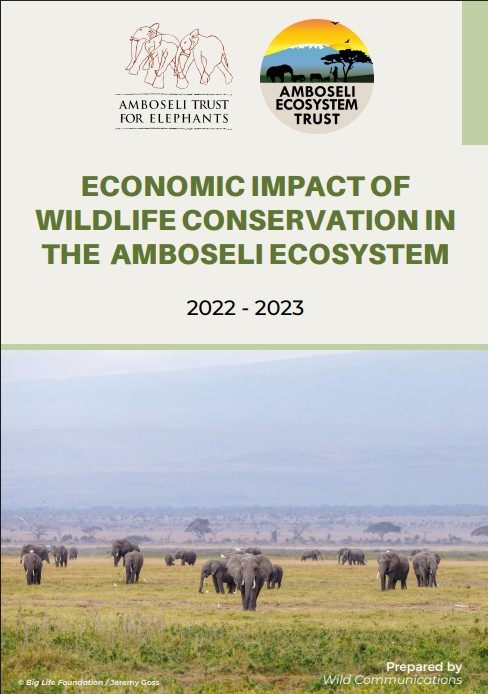
Definitive empirical audits, gazetted ecosystem plans, and economic valuations formulated by AET and statutory partners to guide evidence-based landscape conservation.
Published by Amboseli Ecosystem Trust (AET) Secretariat • In Direct Collaboration with 42 Community Conservancies
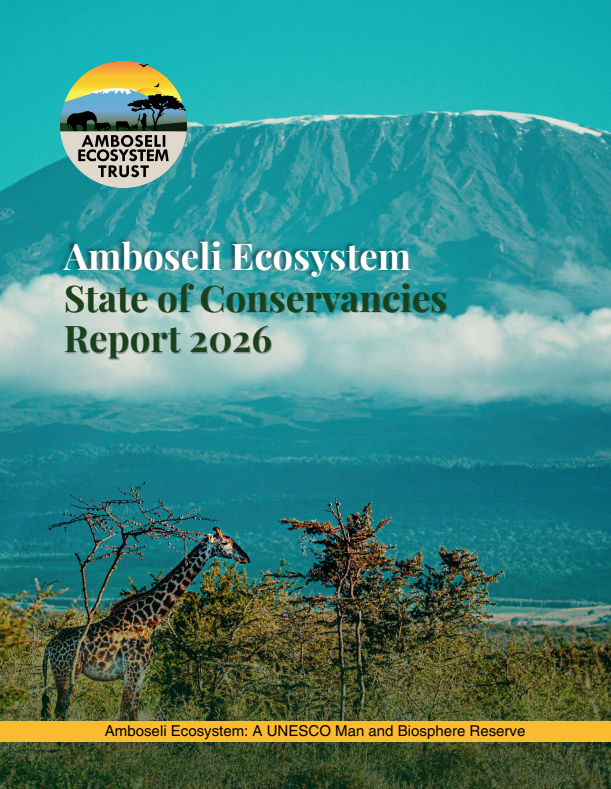
The definitive empirical census of community land governance, ecological pasture regeneration, ranger enforcement operations, and transparent lease dividend distributions across the 1.3 million acre Greater Amboseli Ecosystem.
42 Community Conservancies audited with 100% legal compliance, AGM accountability, and verified institutional boundaries.
1.3 Million Acres of continuous elephant and predator wildlife migratory corridors legally secured across community group ranches.
KSH 300M Annual Dividends verified and disbursed directly into pastoralist landowner household accounts via transparent oversight.
Support community-led conservation that protects ancient wildlife corridors, restores semi-arid grasslands, and strengthens sustainable livelihoods for generations to come.
 LANDMARK REPORT