Our Impact & Verified Results
Quantifiable conservation metrics delivering community empowerment, zero-poaching tolerance, and landscape-scale ecological restoration across 1.3 million acres.
Landscape Scale Outcomes
Demonstrating long-term ecological resilience and economic empowerment across community rangelands through empirical field data.
Ecosystem Planning
- Community Conservancies: 42 Conservancies
- AEMP Plans Gazetted: 2 Plans (2008 & 2020)
- Grazing Management Plans: 2 Plans
- Conservancy Management Plans: 4 Plans
Wildlife Security
- Area Under Conservancies: 650,166.17 Acres
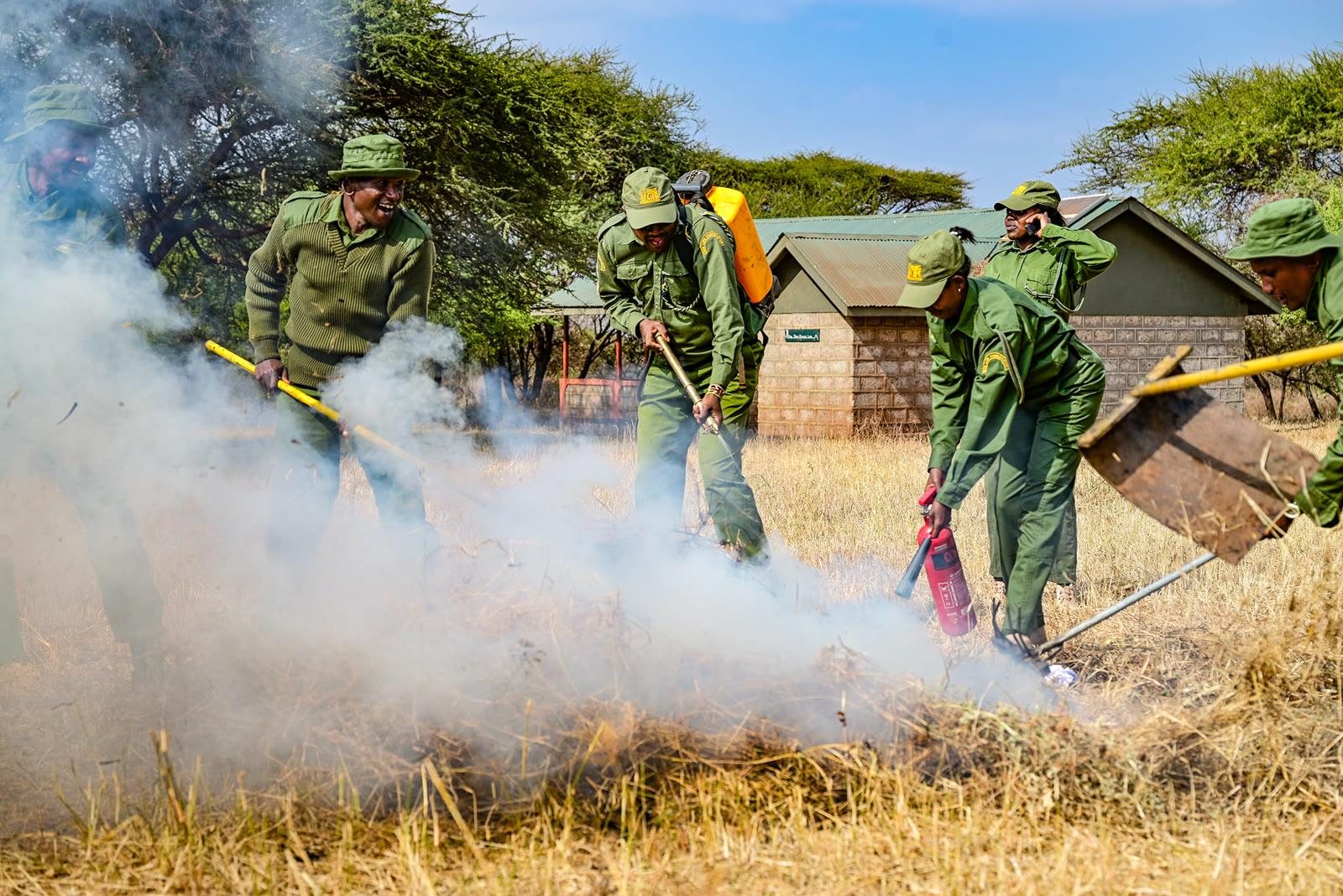
- Community Rangers Trained: 249 Rangers
- Community Change Agents: 61 Agents
- Coexistence Committee: 30 Members
Rangelands Restoration
- Grass Seedbanks: 11 Seedbanks
- Grass Banks Managed: 94 Grass Banks
- Women in Restoration: 330 Women
- Active Grazing Committees: 44 Committees
Community Livelihoods
- Financial Trainings: 140 Sessions
- Bee Hives Deployed: 386 Hives (112W/10M)
- Community in Education: 1,327 Members
- Sahiwal Breed Bulls: 20 Bulls
16 to 42 Conservancies (2018–2026)
Our 2018–2023 Strategic Impact
Improvements across key indicators over the last Strategic Plan period (Strategic Plan 2024–2028, Page 13)
| Verifiable Parameter | 2018 (Baseline) | 2023 (Endline) | Current Status (2026) |
|---|---|---|---|
| Number of Conservancies | 16 | 32 | 42 Conservancies |
| Household Beneficiaries | 62,440 | 88,000 | Over 90,000 Families |
| Total Acreage Under Conservancies | 172,000 Acres | 522,228 Acres | 650,166.17 Acres |
| Total Acreage Under Rangelands | 1,077,819 Acres | 844,651 Acres | 716,122.83 Acres |
| Total Acreage Under Conservation | 1,249,820 Acres | 1,366,879 Acres | 1.3 Million Acres |
| Community Rangers in Ecosystem | 432 Rangers | 694 Rangers | 744 Rangers (249 Trained) |
| AET Secretariat Staff | 6 (5 Male, 1 Female) | 13 (9 Male, 4 Female) | 13 Full-Time Staff |
| Women on AET Board & Council | Board: 2 | Council: 0 | Board: 3 | Council: 5 | Board: 3 | Council: 5 |
| Recorded Elephant Poaching Incidents | 0 | 0 | 0 (Zero for 10+ Years) |
| Enterprise Projects Initiated | 5 Projects | 7 Projects | Seedbanks, Honey, Jikos, Beads |
| Tourism Facilities in Conservancies | 7 Facilities | 9 Facilities | 9+ High-Value Lodges |
| AET Annual Operating Budget | KSH 4,400,100 | KSH 131,157,147 | KSH 131.1M+ Operations |
| Organizational Assets (Vehicles & Bikes) | 1 Vehicle, 0 Bikes | 5 Vehicles, 5 Bikes | 5 Vehicles, 5 Bikes |
| Estimated Annual Visitors in Ecosystem | 175,000 | 215,000 | 215,000+ Visitors |
2024 Implementation Milestones
Verified field progress reported across 2024 quarters under the 4 Strategic Plan Goals
Grazing Governance & New Conservancies
- • OOGR Grazing Plan Launched: Formalized grazing bylaws across 10 zones and held awarding ceremony for best performing committees.
- • 2 New Conservancies Established: Taisere Conservancy (5,000–10,000 acres) and Olgulului Ranch Conservancy (10,000 acres) bordering Amboseli National Park.
- • 47 Rangers Trained: 20 trained in crime scene & bushcraft; 27 trained in human rights & code of conduct at Amboseli Conservation Academy.
- • Energy & Education: 18 energy-saving jikos constructed; 60 secondary students taken on park conservation tours.
Eselengei Plan & #Score4Nature
- • Eselengei Management Plan: Completed comprehensive management plan for over 12,000 acres pioneer conservancy with USAID & IFAW.
- • #Score4Nature Cup: Brought together 16 teams from 10 schools in football & volleyball; won by Christ the King Secondary.
- • Judicial Dialogue Forum: Facilitated dialogue on habitat protection with Presiding Judge Hon. Justice Stella Mutuku and Governor Joseph Ole Lenku.
- • Livelihoods Harvest: 470 kgs grass seeds harvested from 3 seedbanks; 34 rangers trained on IWT; 50 energy-saving jikos installed.
1.7 Tonnes Seeds & Youth Blueprint
- • Record 1.7 Tonnes Seeds: Harvested Eragrostis superba and Cenchrus ciliaris for rangeland reseeding with Justdiggit.
- • Ksh 1.085M Beading Equipment: 50 women trained and equipped with modern beadwork toolkits across 7 group ranches.
- • 265 Women in VSLAs: Trained and operationalized 14 financial savings groups with complete toolkits.
- • Ranger Water Security: Distributed ten 10,000L water tanks to ranger outposts; trained 29 rangers in bushfire management.
- • Amboseli Youth Strategy: Developed the Amboseli Ecosystem Youth Inclusion & Engagement Strategy.
The Conservancies Network
Empowering pastoralist landowners through sustainable conservancy leasing, eco-tourism partnerships, and 24/7 wildlife corridor security.
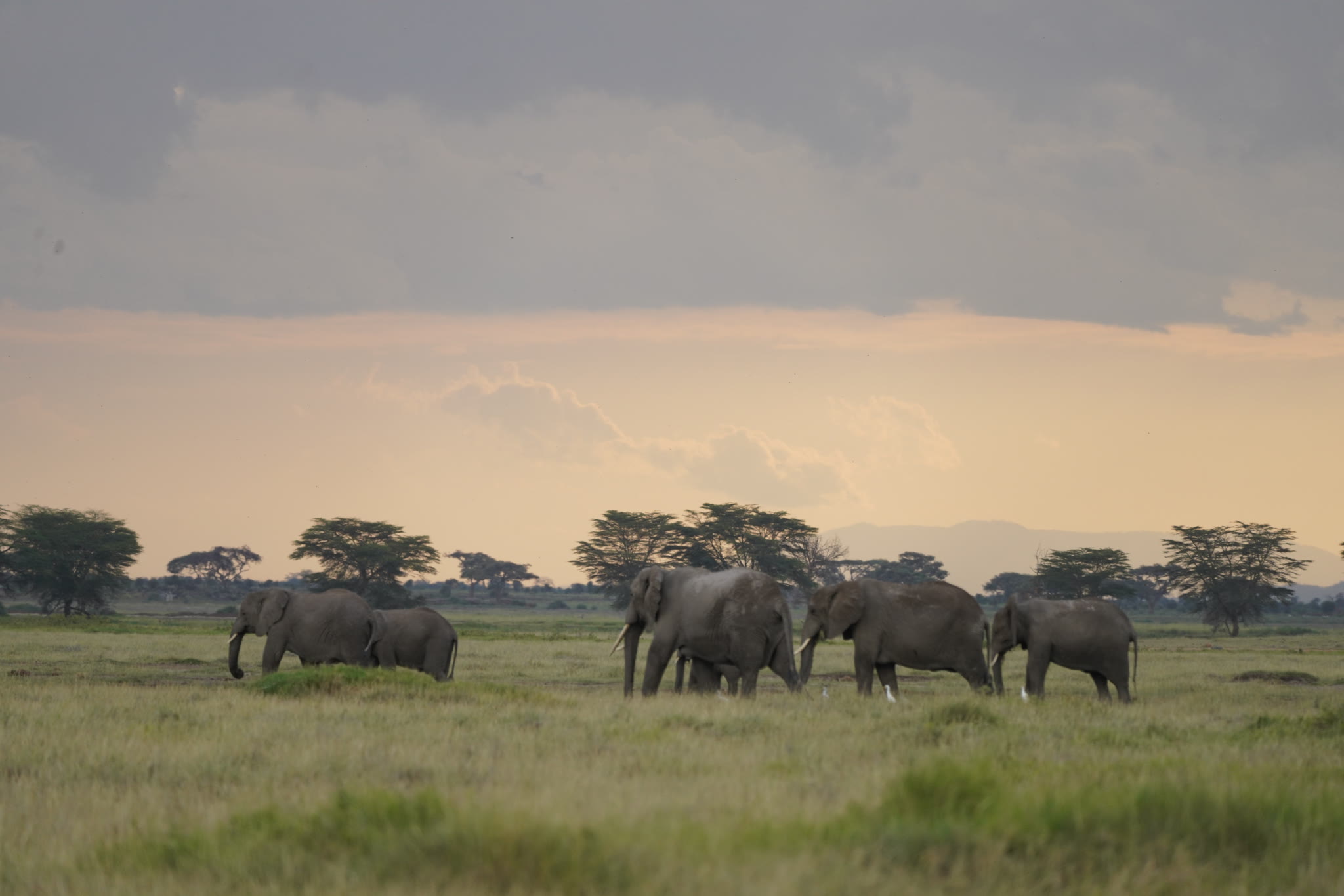
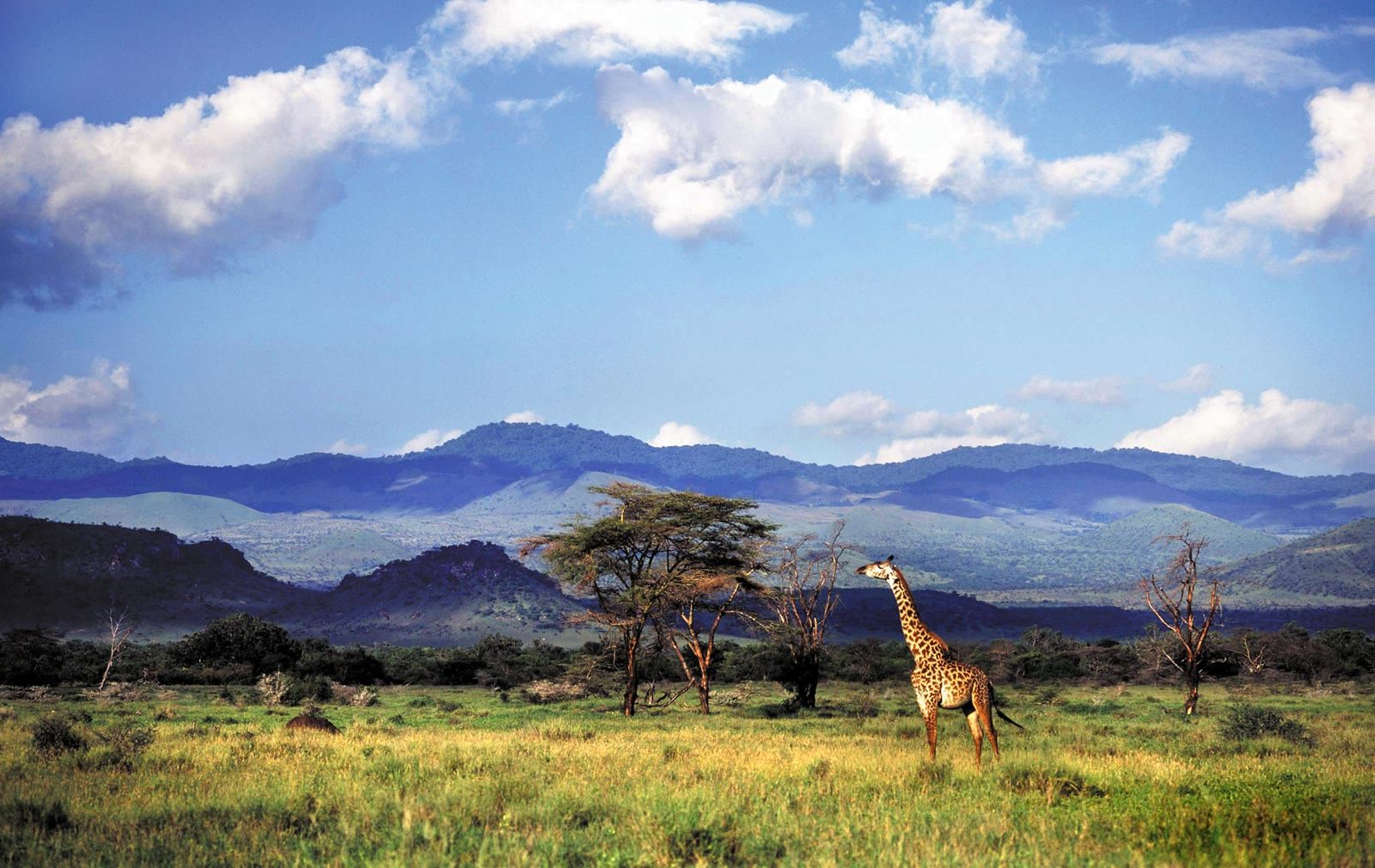
42 Community Conservancies in 7 Groups
Explore the complete portfolio of indigenous Maasai conservancies legally gazetted and actively managed across the Greater Amboseli Ecosystem.
Kimana Conservancies
Encompassing the critical Kimana wildlife corridor bottleneck, community sanctuaries, and prime elephant passage between Amboseli, Chyulu Hills, and Tsavo West.
Kimana Sanctuary
First Community Sanctuary in KenyaOlepolos Conservancy
Corridor ConnectivityNailepu Conservancy
Pastoral HabitatOltiyani Conservancy
Wildlife CoexistenceNaalarami Conservancy
Rangeland StewardshipKilitome Conservancy
Elephant CorridorOsupuko Conservancy
Community GrazingTawi Conservancy
Wildlife Habitat & Eco-TourismElerai Conservancy
Kilimanjaro View CorridorAmboseli Pardiyo Conservancy
Buffer ProtectionOlgulului Conservancies
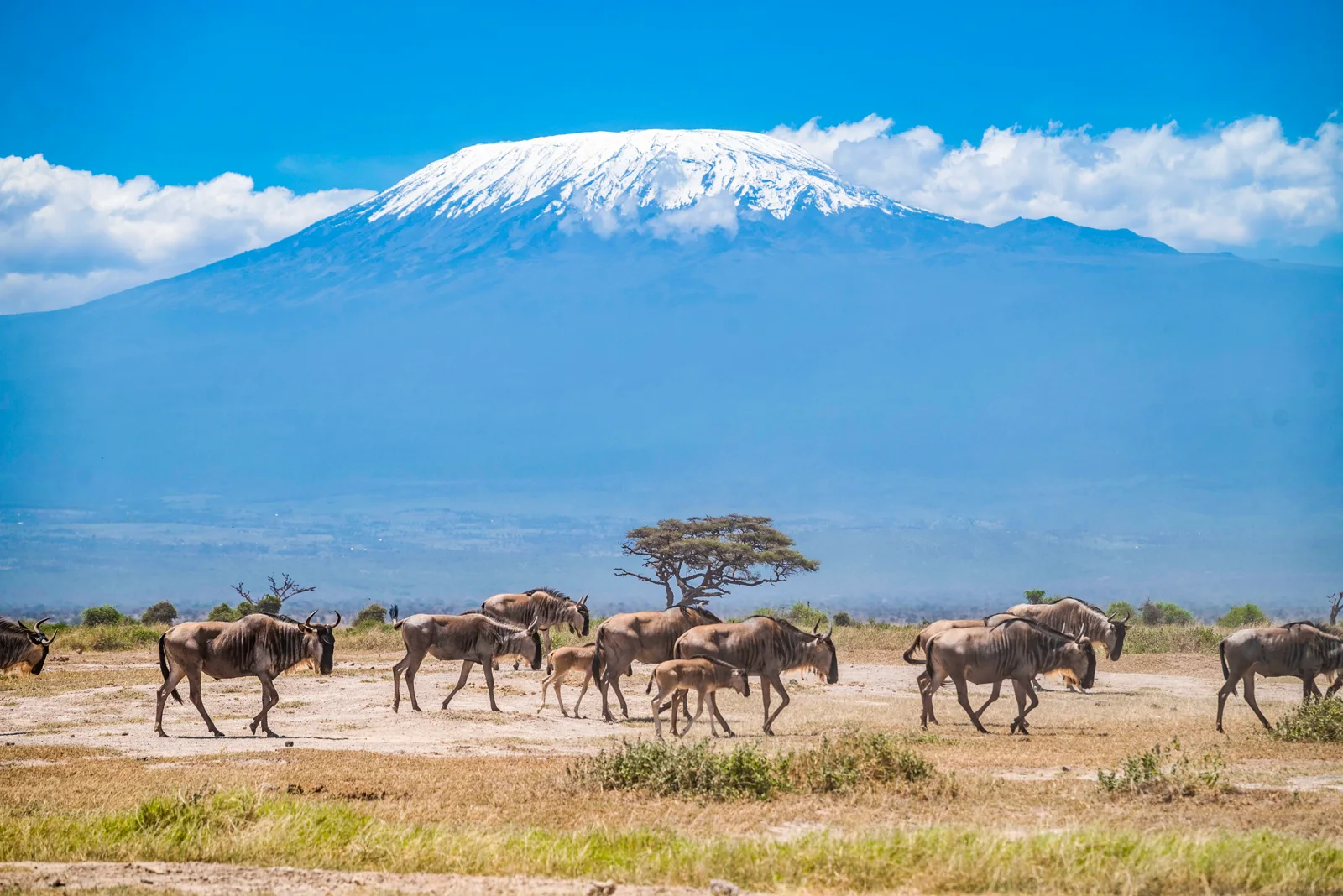
Encircling Amboseli National Park on all sides, providing immediate seasonal grazing and transboundary migratory pathways toward Mount Kilimanjaro.
Ole Narika Conservancy
Buffer HabitatNairaballa Conservancy
Seasonal Grazing RangeKitirua Conservancy
Park Border ProtectionKitenden A Conservancy
Transboundary CorridorKitenden B Conservancy
Tanzania Border PathTaisere Conservancy
Newly Gazetted SanctuaryLoingarunyoni Conservancy
Ecosystem ConnectivityRisa Conservancy
Water Source CorridorNgelesa Conservancy
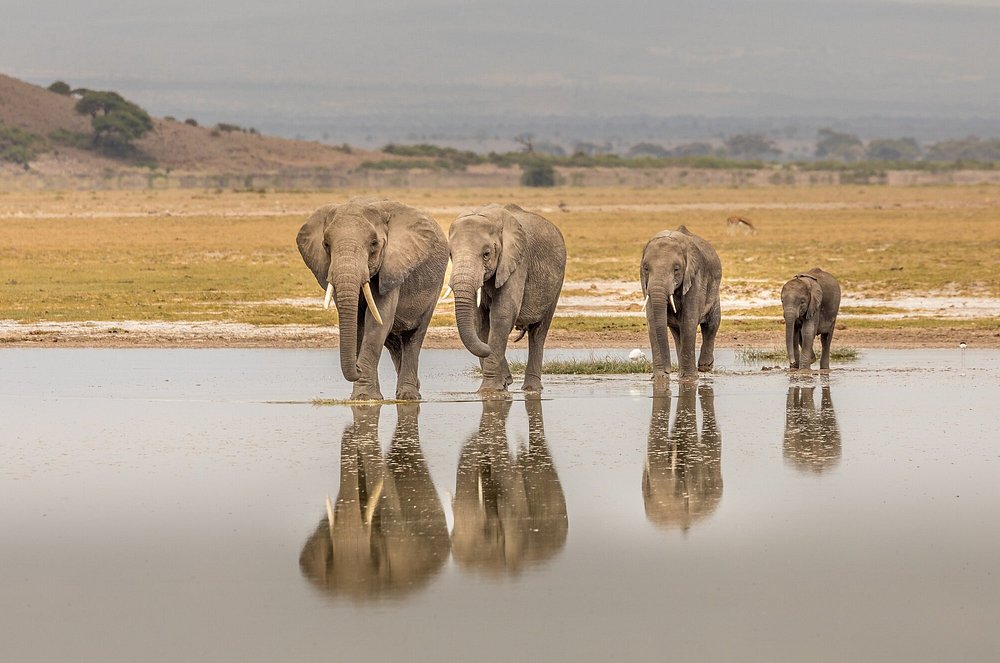
Elephant Movement ZoneEntemwai Conservancy
Community RangelandsOlgulului Ranch Conservancy
Landscape AnchorImbirikani Conservancies
Contiguous with Chyulu Hills National Park, renowned for pioneer predator compensation and expansive wilderness rangelands.
Oldonyo Wuas Conservancy
Chyulu FoothillsLoosikitok Conservancy
Predator CoexistenceLenkiloriti Conservancy
Migratory CorridorOlokurto Conservancy
Community RangelandEmpakaai Conservancy
Pastoral Pasture AreaNoonkiyia Conservancy
Ecosystem StewardshipRombo Conservancies
Southern frontier buffering Tsavo West National Park and the international border with Tanzania.
Rombo Emampuli Conservancy
Transboundary Border CorridorKuku Conservancies
Stretching along the volcanic slopes of Chyulu Hills, protecting vital spring catchment zones and extensive community rangeland sanctuaries.
Kanzi Conservancy
Chyulu WatershedOlpusare Conservancy
Wildlife SanctuaryMotikanju Conservancy
Pastoral Grazing ReserveEsoit Pus Conservancy
Hill CorridorOldonyo Sambu Conservancy
Forest Edge BufferLoloipongi Conservancy
Ecological Stepping StoneIltepai Conservancy
Community GrasslandsIldoinyo Conservancy
Ranger Monitored SectorLotaa Conservancy
Seasonal Wildlife DispersalKoikuma Conservancy
Conservation RangelandEselengei Conservancies
Northern dispersal sector maintaining wide open corridors toward the Nairobi-Mombasa highway and northern wildlife migrations.
Eselenkei Conservancy
Pioneer Eco-Tourism ModelMarete Conservancy
Northern Dispersal AreaTul-Olkaria Conservancy
Wildlife CoexistenceNasaru Olosho Conservancy
Landscape-scale institutional conservation alliance uniting landowners in shared habitat governance.
Nasaru Olosho Conservancy
Landscape Alliance HubEconomic Impact of Wildlife Conservation
Synthesizing empirical findings from the Amboseli Ecosystem Economic Impact Survey 2023 produced in partnership with the Amboseli Trust for Elephants (ATE). This study demonstrates that wildlife conservation is the cornerstone economic engine of the Greater Amboseli landscape.
KSH 2.36 Billion Annual Economic Output
Wildlife-based tourism, conservancy lease payouts, community employment, and environmental services generate over KSH 2.36 billion ($18M+ USD) annually. Rather than competing with traditional pastoralism, conservation directly finances household stability and education.
Download Full Economic Report (PDF) →Full-time rangers, lodge hospitality, research scouts, and seasonal rangeland restoration workers.
Annual conservancy land lease fees paid directly into individual pastoralist household bank accounts.
Secondary and tertiary scholarships funded for local youth through ecotourism dividends.
Community members with access to dry-season grass banks, water points, and compensation funds.
Employment & Local Livelihoods
Conservation represents the second-largest employer in southern Kajiado after livestock pastoralism:
- Full-Time Staff: 744 community wildlife rangers, lodge management, and NGO technical officers.
- Part-Time & Enterprise: Over 265 women organized in grass seedbanks, beekeeping, and craft cooperatives.
- Casual Labor: Seasonal employment in invasive weed eradication, water harvesting construction, and firebreak maintenance.
Ecosystem Services & Natural Capital
The ecological integrity of the Amboseli Basin underpins regional economic security across multiple sectors:
- Freshwater Security: Filtration of Kilimanjaro snowmelt recharging permanent springs feeding local livestock and wildlife.
- Pasture Drought Buffer: 30 protected grass banks providing emergency livestock grazing during prolonged dry seasons.
- Carbon Sequestration: Expansive indigenous woodlands and Chyulu cloud forests generating validated carbon credits.
Partner With Amboseli Ecosystem Trust
Invest in community-led landscape governance, rangeland restoration, and wildlife corridor security.