
Rangeland Restoration and Grazing Management
Pasture Regeneration, Indigenous Seedbanks & Traditional Rotational Grazing
Revitalizing traditional Maasai grazing rotations (*Inkaron* seasonal grass banks), establishing women-led native grass seedbanks, and deploying soil-water conservation techniques across 716,122 acres of communal rangelands.
Conservation & Community Bottlenecks
Recurrent prolonged droughts driven by climate change, coupled with year-round grazing pressure and the rapid invasion of unpalatable weeds like *Ipomoea*, have caused severe rangeland degradation. Topsoil erosion, bare ground expansion, and the disappearance of nutritious perennial grasses threaten pastoralist cattle herds and wild herbivore populations alike.
What We Aim to Achieve
- ✓ Implement community-enforced seasonal Grazing Management Plans across former group ranches.
- ✓ Establish and support Zonal Grazing Committees to regulate wet and dry season pasture rotations.
- ✓ Scale women-led indigenous grass seedbanks to produce certified native grass seeds for landscape reseeding.
- ✓ Clear invasive species (*Ipomoea*) and restore degraded soils using rainwater harvesting bunds and micro-catchments.
Main Activities & Solutions
Structured field workflows implemented in partnership with pastoral landowners, KWS, conservancy boards, and technical institutions.
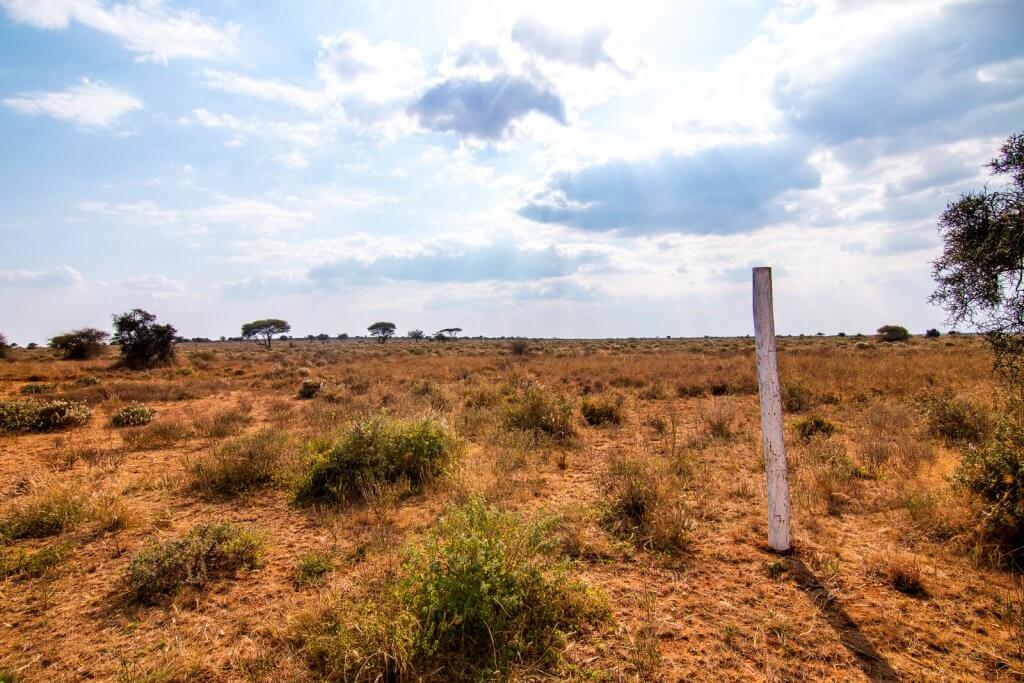 ACTIVITY 01
Rotational Grazing • 2 Plans
Participatory Grazing Plans & Committees
Facilitating 2 comprehensive Grazing Plans and 10+ Zonal Committees in OOGR and Kimana to enforce seasonal pasture cycles.
- • 2 statutory plans & 10+ zonal grazing units
- • Dry-season pasture reserves protection
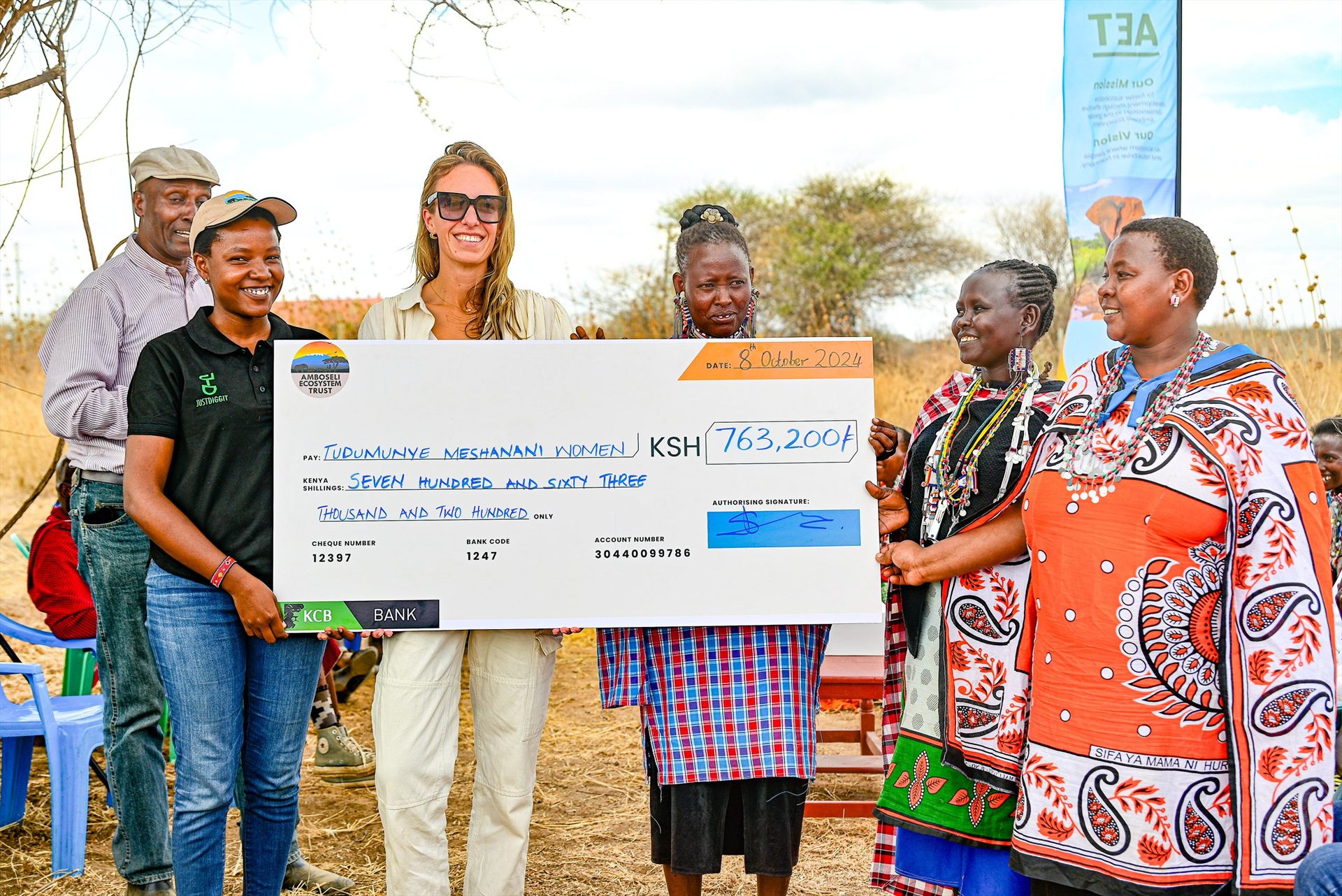 ACTIVITY 02
Indigenous Seedbanks • 4 Groups
Women-Led Grass Seedbank Enterprise
Partnering with Maasai women in Meshenani, Noonkotiak, Lenkisim, and Namelok to cultivate resilient perennial grass seeds.
- • 4 active women grass seedbanks harvesting
- • Direct household income from certified seed sales
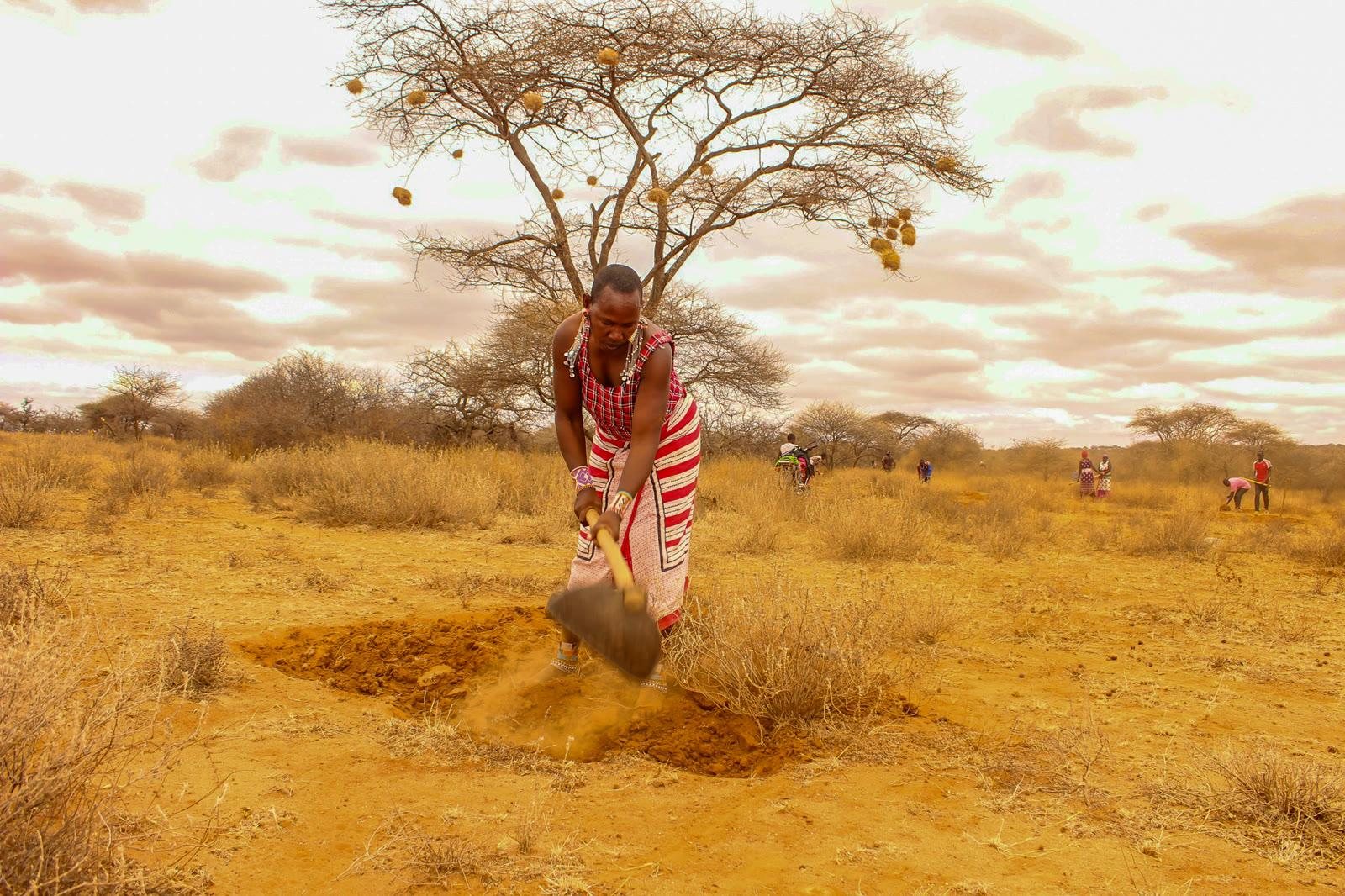 ACTIVITY 03
Rehabilitation • Reseeding
Invasive Weed Clearing & Reseeding
Mobilizing community workgroups to uproot noxious *Ipomoea* weeds and reseed bare patches with locally harvested grass seeds.
- • Manual & mechanical *Ipomoea* eradication
- • Savanna biodiversity & pasture recovery
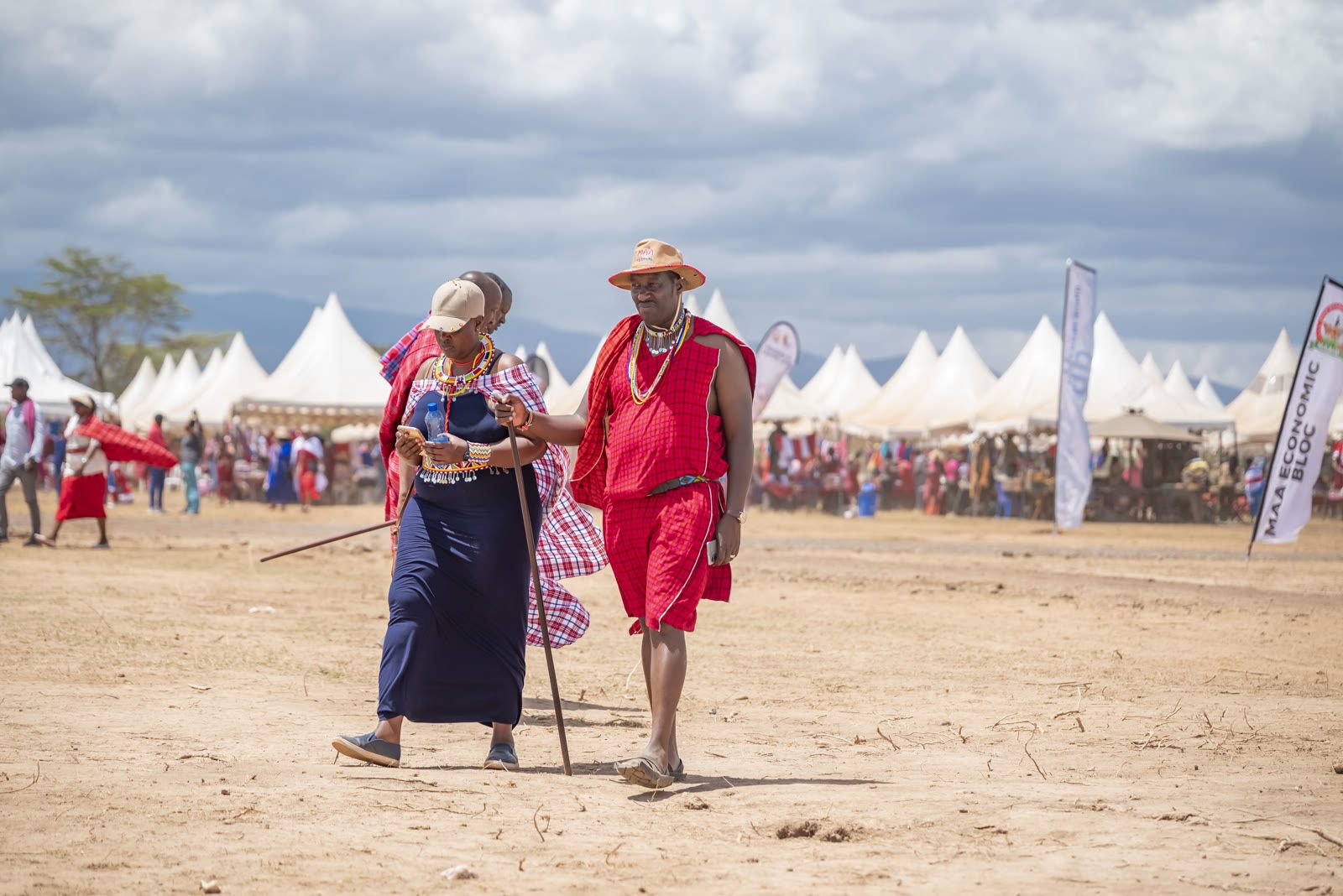 ACTIVITY 04
Soil Hydrology • Infiltration
Water Catchment & Erosion Bunds
Constructing semi-circular earth bunds, check dams, and gully plugs to trap moisture and restore natural water infiltration.
- • Semi-circular earth bunds in erosion zones
- • Recharging rangeland subterranean aquifers
Restoration Programme Achievements
Verified reporting metrics from the official AET Achievement.xlsx register. Tracking rainwater harvesting, grazing committee coverage, women-led grass seedbanks, and physical rangeland rehabilitation across the Amboseli landscape.
| # | Indicator Description (Official Source Record) | Metric Type | Reported Total |
|---|---|---|---|
| 01 |
No of Grass Seedbanks
|
Physical Count | 15 |
| 02 |
No of women involved in restoration
(Reported: No of women women involved in restoration)
|
Beneficiaries | 427 |
| 03 |
No of Grazing committees
|
Committees | 44 |
| 04 |
No of Grazing committees Members
|
Community Leaders | 496 |
| 05 |
No of Grass banks
|
Physical Count | 30 |
| 06 |
No of Grazing blocks
|
Zonal Blocks | 94 |
| 07 |
No of Bunds dug
|
Structures | 43,600 |
| 08 |
No of Trenches dug
|
Structures | 220 |
| 09 |
No of Vallarani (Site)
|
Restoration Sites | 5 |
| 10 |
No of Trees planted
(Reported: No of Trees Trees planted)
|
Physical Count | 4,680 |
| 11 |
Hectares removed off invasive Species
(Reported: Hecterage removed off invasive Species)
|
Hectares | 53.4 |
| 12 |
Hectares under Chisel Plough
|
Hectares | 4 |
| 13 |
PMNR Trees recovered
(Reported: PMNR Trees recoreved)
|
Physical Count | 2,000 |
| 14 |
Hectares under Stonelines
|
Hectares | 4 |
| 15 |
Hectares under Sustainable land management (Grazing committee coverage)
|
Hectares | 15,000 |
Rangelands Field Evidence & Restoration Gallery
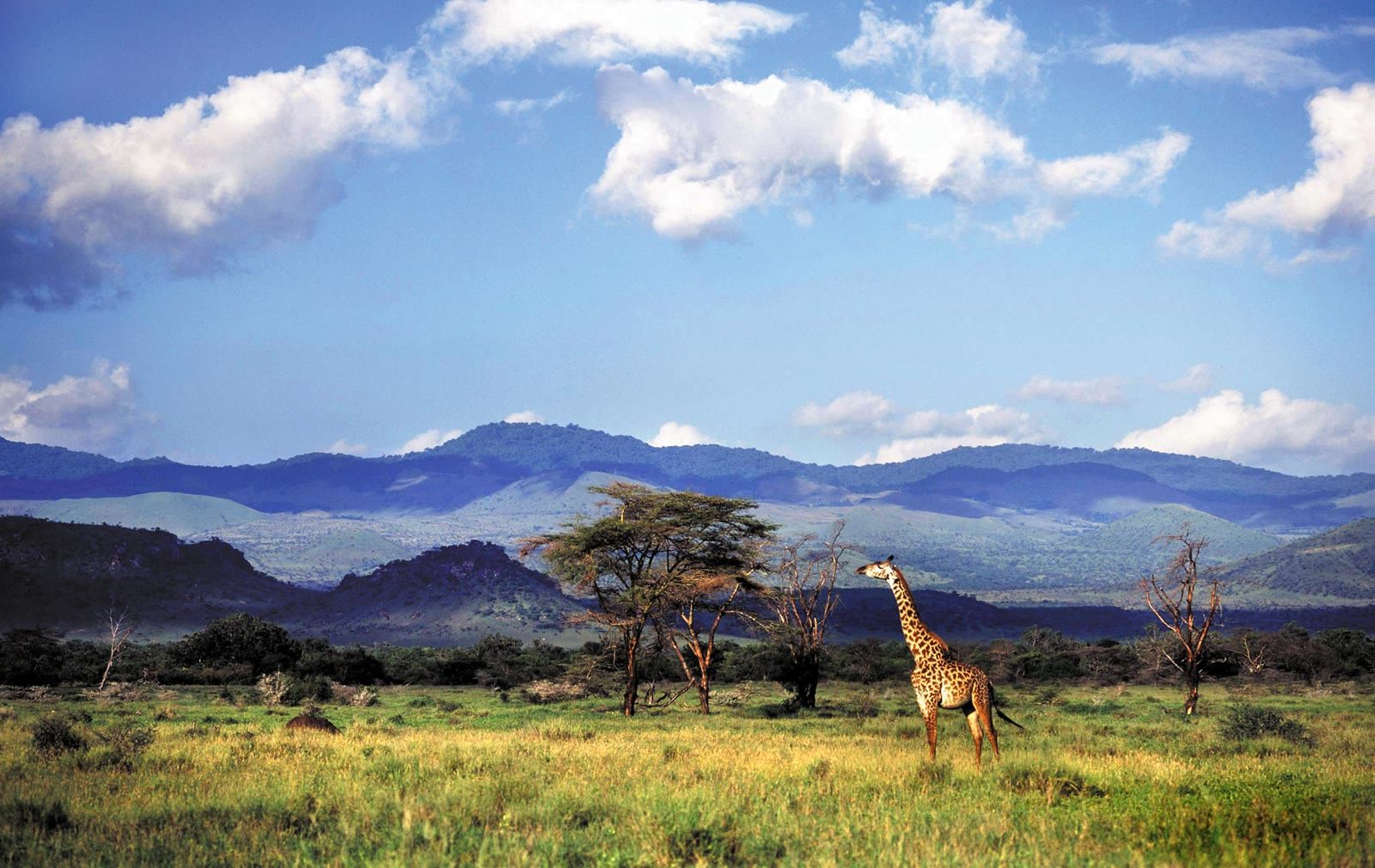
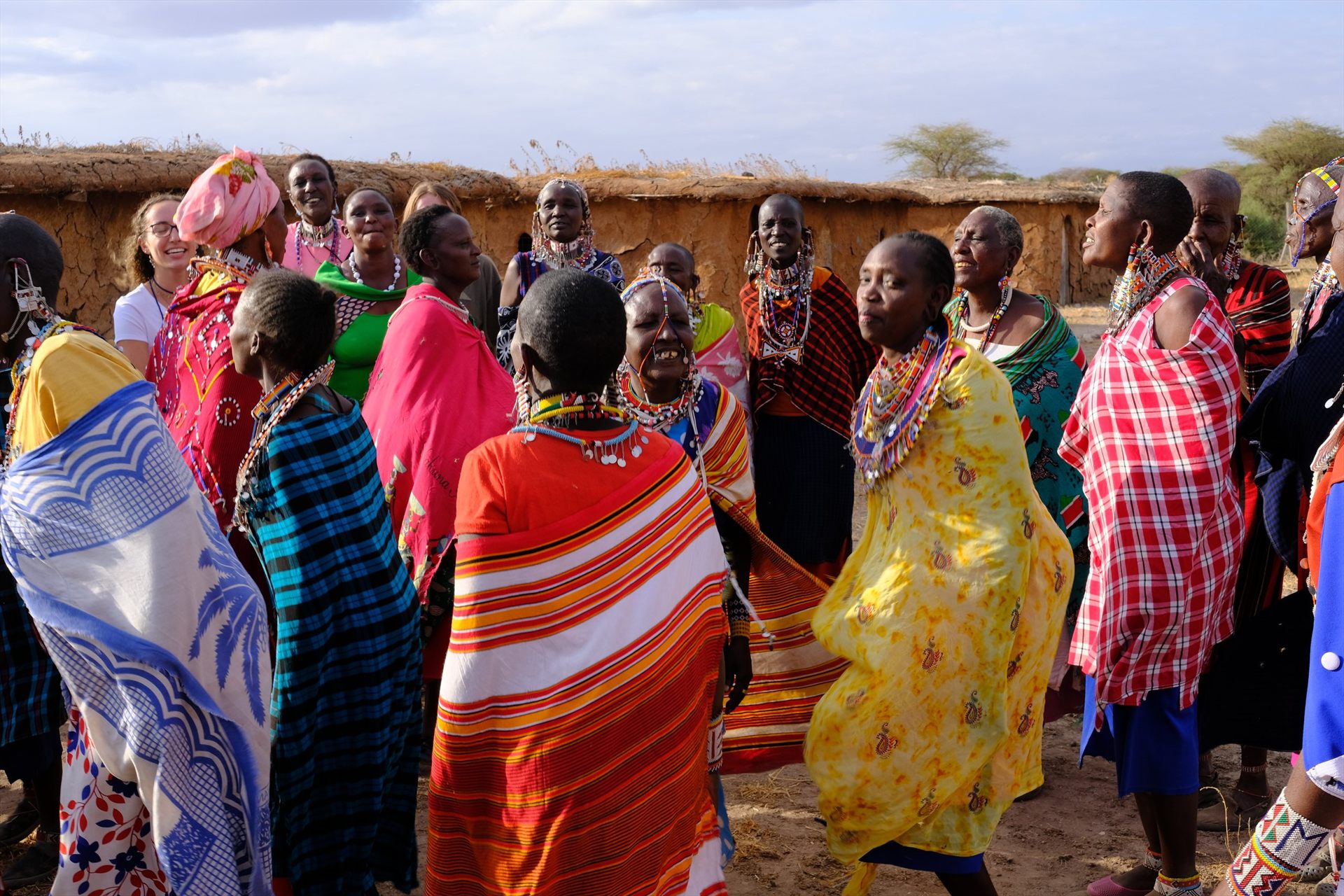
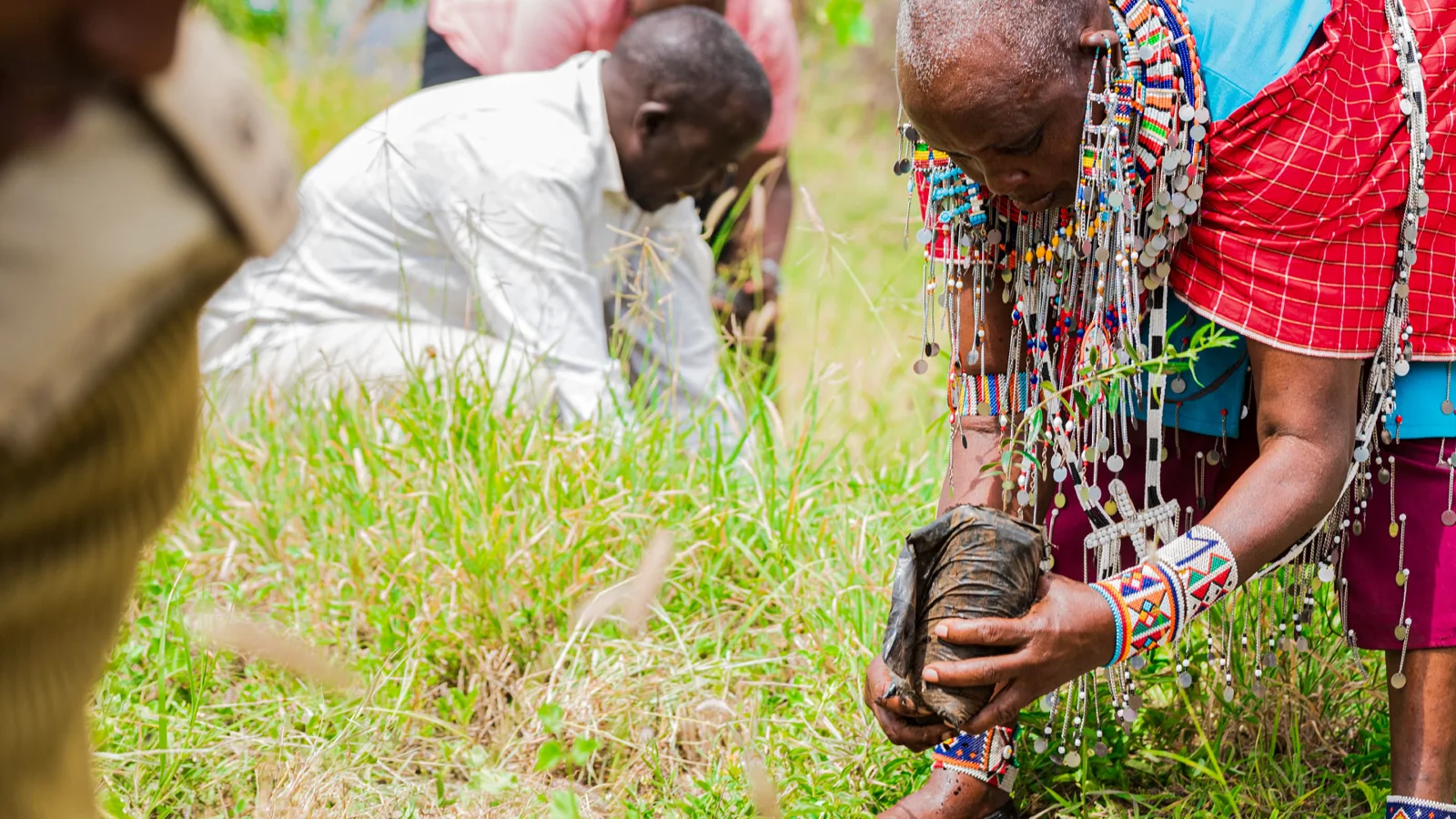
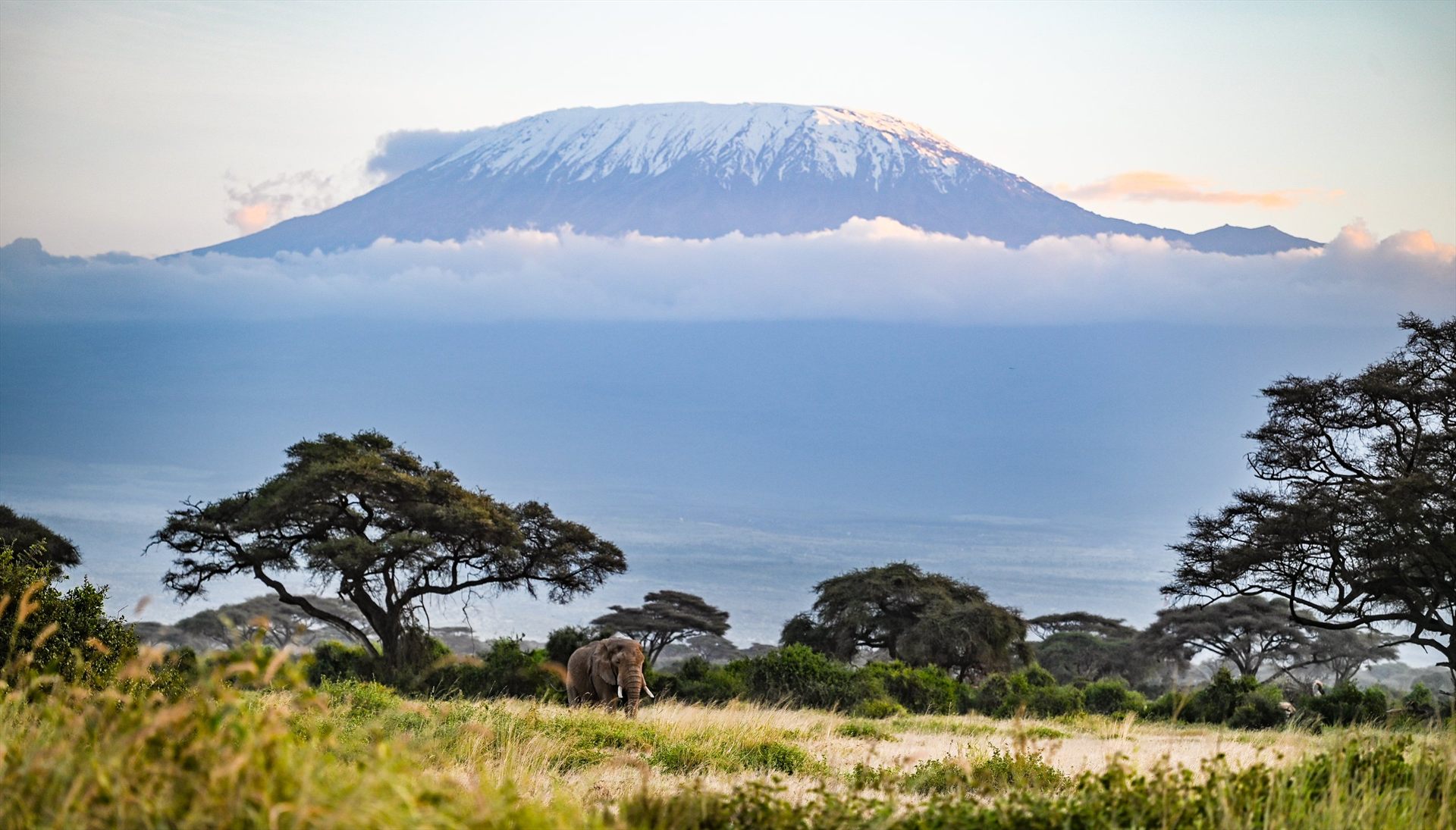
Visual documentation of pastoral rangeland regeneration across Amboseli: 43,600 rainwater harvesting bunds, women-led grass seedbanks, rotational grazing pastures, and community erosion barriers.
Rangeland Restoration & Grazing Guidelines
Technical framework for community-based rotational grazing, grass bank management, and native pasture rehabilitation.
From Bare Ground to Living Savanna: Women Grass Harvesters
How pastoral women earned income and re-greened thousands of hectares of drought-parched grasslands.
Explore All 8 Conservation Programmes
Our eight directorates work in lockstep across 1.36 million acres. Select any strategic programme below to inspect its field interventions, verified indicators, and photography archives.
Ecosystem Planning & Management
Spatial land-use zoning, corridor legal protection, and AEMP master plan enforcement across 1.36M acres.
Conservancies Development & Governance
Securing 676,322 acres of communal tenure, democratic land leases, and ecotourism benefit-sharing across 42 conservancies.
Rangeland Management & Restoration
43,600 rainwater harvesting bunds, 15 women seedbanks, and 44 grazing committees restoring 15,000 hectares.
Wildlife Security & Coexistence
744 community rangers, predator-proof bomas, zero elephant poaching, and rapid conflict de-escalation response.
Resilient Community Livelihoods
Grass seedbank enterprise sales (Ksh 4.7M), commercial apiculture with 386 hives, and artisan beadwork exports.
Women & Youth Inclusion
1,021 pastoral women in VSLAs, #Score4Nature athletic leagues for morans, and gender parity in governance.
Institutional Development & Growth
100% unqualified statutory audits, GIS operations lab at Noonkotiak, and sustainable landscape trust funding.
Conservation Education & Awareness
35 partner schools, 744 student eco-club bursaries, experiential park game drives, and elder community barazas.
Support Rangeland Restoration and Grazing Management
Your partnership directly funds field operations, community ranger patrols, rangeland restoration, and pastoral livelihood security across Amboseli.