Operationalizing the Amboseli Ecosystem Management Plan (AEMP 2020–2030) across 1.36 million acres through eight dedicated, community-led programme directorates. Uniting 42 community conservancies, pastoral landowners, and the Kenya Wildlife Service to sustain a contiguous, thriving savanna.
How We Operationalize Holistic Savanna Conservation
Our eight directorates function as four synchronized operational pillars—ensuring land tenure security, frontline ranger patrols, ecological pasture recovery, and indigenous community prosperity.
PILLAR 01
Spatial Land Tenure
1,366,289 acres legally zoned under the gazetted AEMP blueprint, protecting 42 community conservancies and critical corridors.
1,366,289 AcZoned Under AEMP Blueprint
PILLAR 02
Frontline Defense
744 community rangers maintaining 24/7 anti-poaching security, human-wildlife conflict resolution, and canine tracker units.
Our eight directorates operationalize holistic savanna conservation across 1.36 million acres. Explore our legally zoned landscapes, frontline ranger defense, rangeland restoration, and indigenous community wealth below.
PILLAR 011,366,289 Ac Zoned
AEMP Master Plan Jurisdiction
SPATIAL LAND TENURE
Ecosystem Planning & Spatial Management
Legally zoned under the gazetted Amboseli Ecosystem Management Plan (AEMP 2020–2030), anchoring conservation blueprints across 1.36M acres, 42 conservancies, and critical migratory corridors.
◆
1.36M Ac Zoned3 Blueprints42 Conservancies
PILLAR 02676,322 Ac Secured
42 Member Conservancies
LAND TENURE & GOVERNANCE
Conservancies Institutional Development
Empowering 42 member conservancies protecting 676,322 acres through institutional governance, legal leaseholds, and sustainable tourism concessions delivering $2.5M in annual community dividends.
◆
676,322 Ac Secured$2.5M / Yr Dividends42 Conservancies
PILLAR 0343,600 Bunds
Kuku, Olgulului & Rombo
PASTURE REGENERATION
Rangeland Rehabilitation & Resilience
Pioneering landscape-scale restoration through 43,600 rainwater harvesting earth bunds, 220 deep trenches, and 15 women-managed grass seedbanks reviving 15,000 hectares of degraded pasture.
◆
43,600 Earth Bunds15,000 Ha Revived15 Seedbanks
PILLAR 04744 Rangers
1.36M Ac Transboundary Buffer
FRONTLINE ECOSYSTEM DEFENSE
Wildlife Security & Coexistence
Deploying 744 trained community rangers, mobile rapid response units, and dedicated canine tracker teams maintaining 24/7 security and zero commercial poaching across transboundary corridors.
◆
744 Active RangersZero Poaching24/7 Response
PILLAR 05Ksh 4.7M Revenue
Pastoralist Settlements
COMMUNITY ECONOMY
Climate-Resilient Livelihoods & Enterprise
Unlocking sustainable wealth through green micro-enterprises including the Mwanamke Bora grass seed initiative generating Ksh 4.7M, modern apiculture, and eco-tourism value chains.
◆
Ksh 4.7M Seed Revenue1,021 Women150+ Beekeepers
PILLAR 06265 Women VSLAs
Women & Youth Collectives
SOCIAL EQUITY & LEADERSHIP
Women, Youth & Social Inclusion
Fostering inclusive conservation leadership by empowering 265 women in Village Savings and Loan Associations (VSLAs), training 375 certified ToTs, and championing youth mentorship.
◆
265 Women in VSLAs375 ToTs Certified100% Literacy
PILLAR 07Apex Body Authority
AET Ecosystem Apex HQ
APEX OVERSIGHT & TRANSPARENCY
Institutional Governance & Corporate Growth
Serving as the democratically mandated apex body representing 42 conservancies and 1.36M acres, managing Ksh 131M+ with 100% clean audit standards and long-term donor transparency.
◆
Apex Body MandatedKsh 131M+ Oversight100% Clean Audits
PILLAR 0835 Partner Schools
Schools & Community Centers
GENERATIONAL STEWARDSHIP
Conservation Education & Awareness
Cultivating generational stewardship across 35 partner schools, reaching 744+ pastoral youths through Wildlife Clubs, annual environmental tournaments, and elder storytelling.
Explore authentic field photography capturing the frontline reality of Amboseli conservation: ancient elephant corridors, community ranger patrols, women grass seedbank harvests, youth football championships, and savanna restoration. Click any image to view in full resolution.
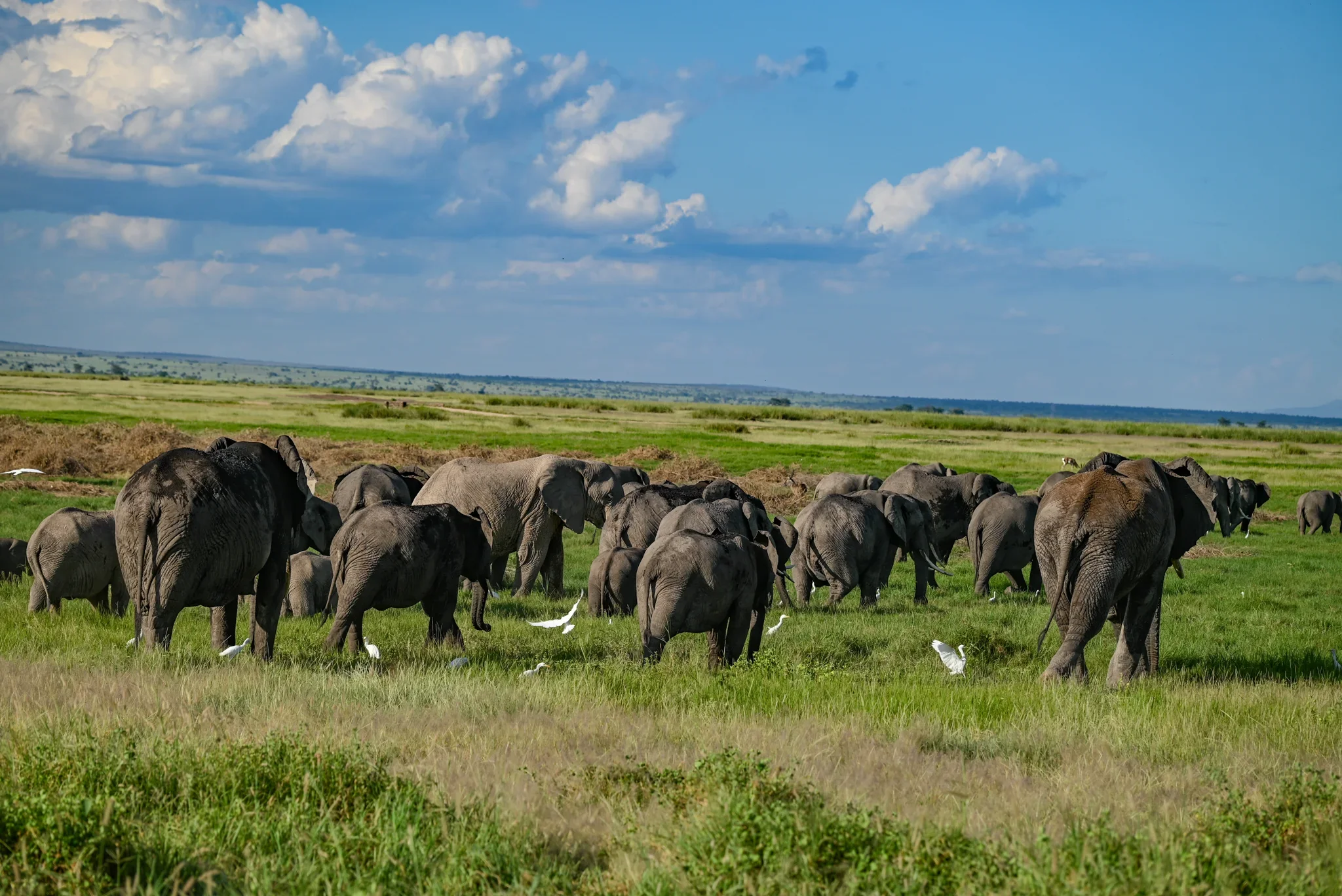
Wildlife & Corridors
Kimana & Olgulului Corridors • Mount Kilimanjaro Basin
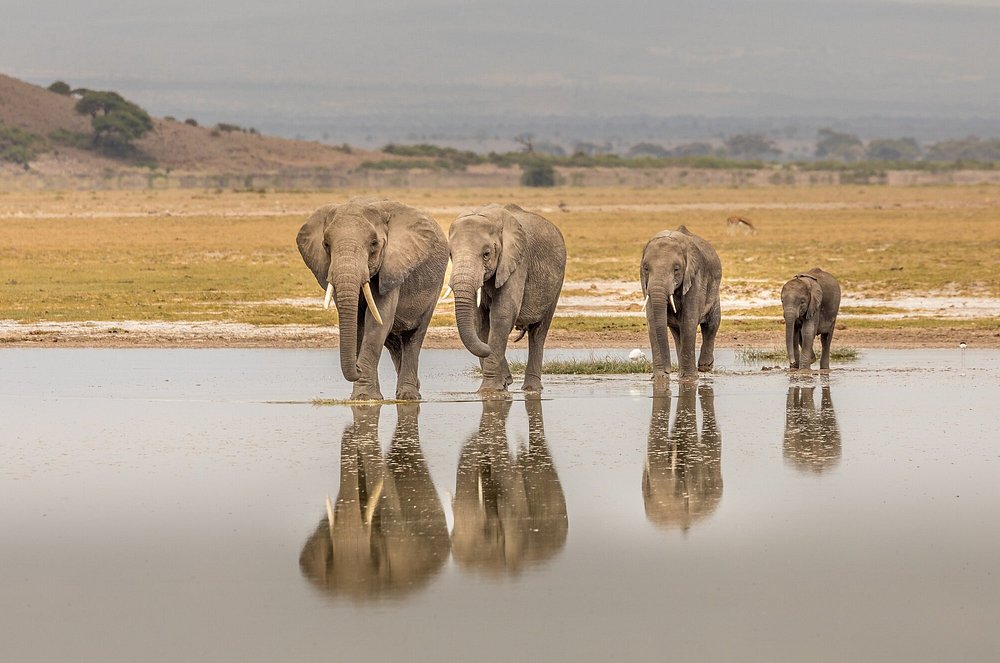
Ancient Elephant Transit Corridors
Securing contiguous, unfenced dispersal pathways connecting Amboseli National Park with Tsavo West and the Chyulu Hills.
744 Rangers
Olgulului Ololarashi Group Ranch
Frontline Anti-Poaching Patrols
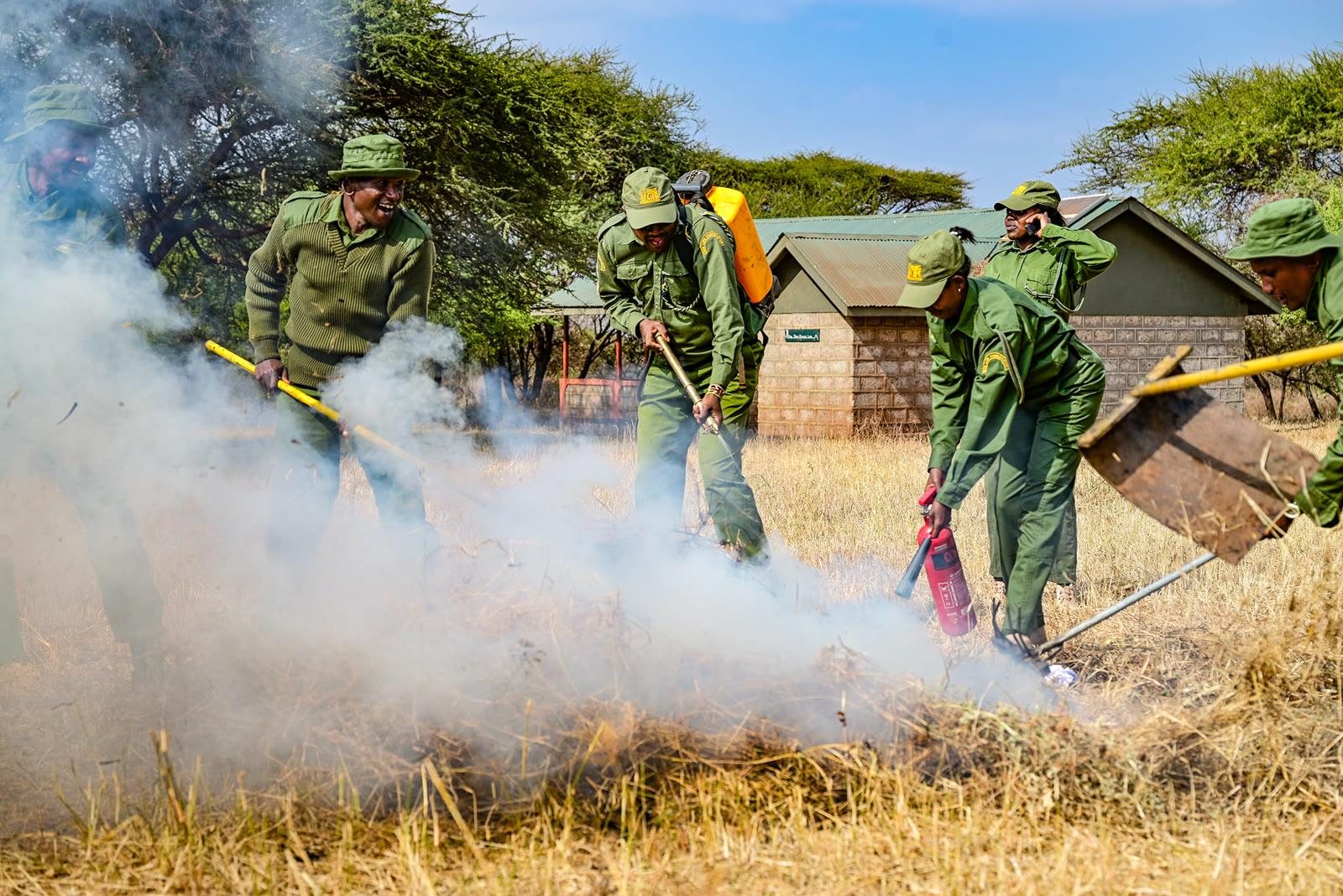
Community rangers maintaining 24/7 security, snare sweeps, and wildlife monitoring across buffer areas.
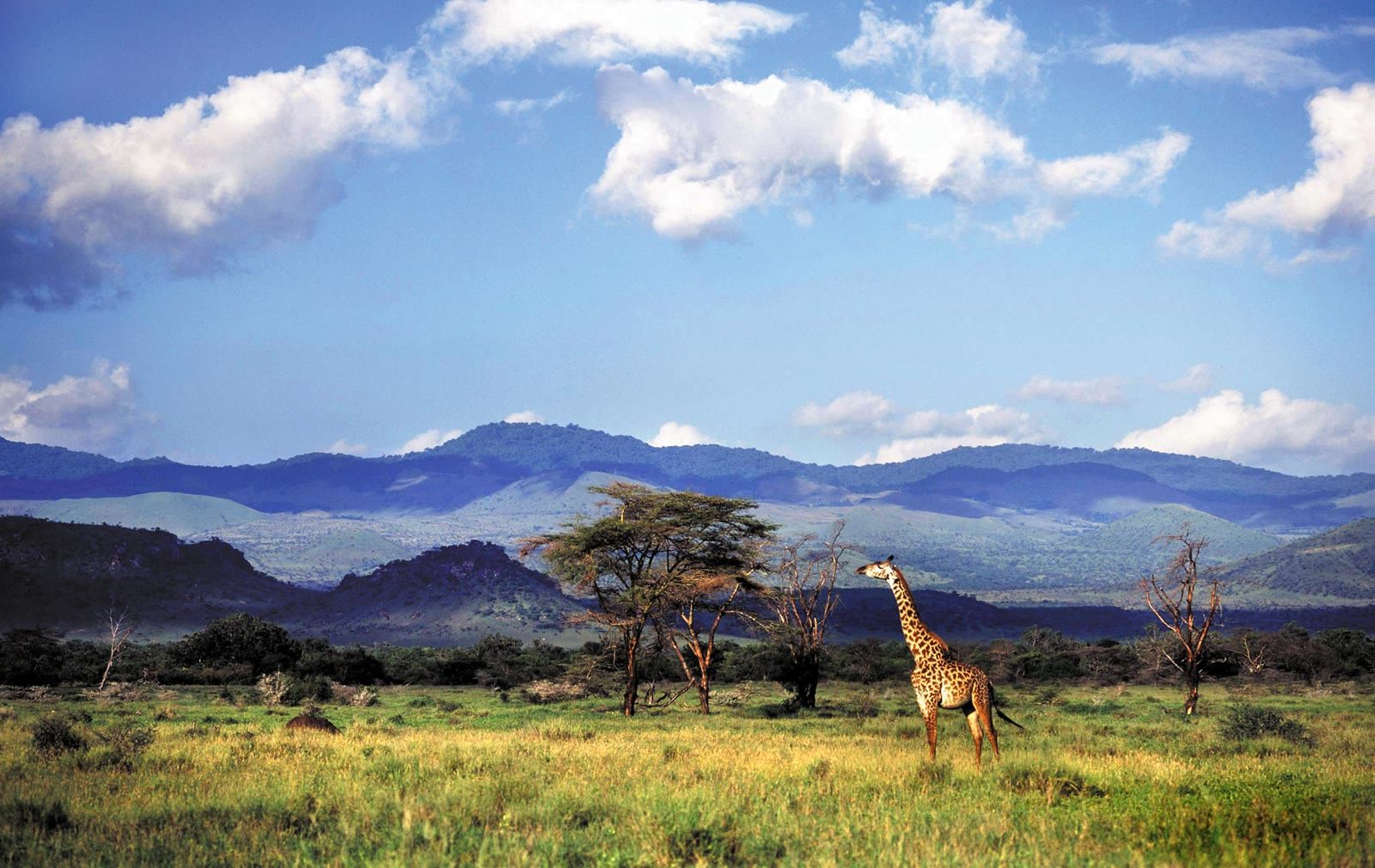
No single intervention can protect an 8,000 km² living landscape. Our 8 programmes form an interconnected loop where legal planning enables community conservancies, protected corridors foster rangeland restoration, and enterprise benefits create lasting wildlife tolerance.
1
Spatial Planning & Tenure
The gazetted AEMP 2020–2030 legally zones 1.36M acres, identifying corridors, wet-season grazing, and settlements before land subdivision causes fragmentation.
2
Conservancies & Rangers
42 community conservancies enforce land use rules. 744 community rangers patrol 24/7, securing open migratory routes and preventing human-wildlife conflict.
3
Pasture Restoration
43,600 rainwater harvesting bunds and 15 women seedbanks regenerate degraded savanna, giving pastoralist herds and wild herbivores nutritious grazing.
4
Enterprise & Stewardship
1,021 women earn revenue from grass seeds and honey. School education and #Score4Nature empower youth as lifelong guardians of biodiversity.
VERIFIED DATA ARCHIVE • AET ACHIEVEMENT.XLSX
Programme Achievements Explorer
Explore all 50 verified indicators across the five primary AET programme directorates. Select a programme tab below to view executive summary statistics, complete indicator audit tables, and authentic field photographs.
43,600Bunds Dug
Semi-circular rainwater harvesting earthworks
15Grass Seedbanks
Community-managed indigenous seed multiplication
44Grazing Committees
496 trained pastoralist committee leaders
15,000 haSustainable Land Mgt
Active pasture under rotational grazing bylaws
SECTION A
Programme Area A: Rangeland & Pasture Restoration
15 verified indicator records reported from AET Achievement.xlsx
#
Indicator Description (Source Excel Record)
Category
Reported Total
01
No of Grass Seedbanks
Physical Site
15
02
No of women women involved in restoration
Beneficiaries
427
03
No of Grazing committees
Governance
44
04
No of Grazing committees Members
Committee Members
496
05
No of Grass banks
Pasture Bank
30
06
No of Grazing blocks
Spatial Blocks
94
07
No of Bunds dug
Restoration Earthwork
43,600
08
No of Trenches dug
Restoration Earthwork
220
09
No of Vallarani (Site)
Water Infrastructure
5
10
No of Trees Trees planted
Reforestation
4,680
11
Hecterage removed off invasive Species
Area (Hectares)
53.4 ha
12
Hectares under Chisel Plough
Area (Hectares)
50 ha
13
Hectares under Grass Seedbanks
Area (Hectares)
120 ha
14
Hectares under Stonelines
Area (Hectares)
4 ha
15
Hectares under Sustainable land management (Grazing committee coverage)
Area (Hectares)
15,000 ha
Restoration Documentary Field Evidence
Verified Landscape Operations
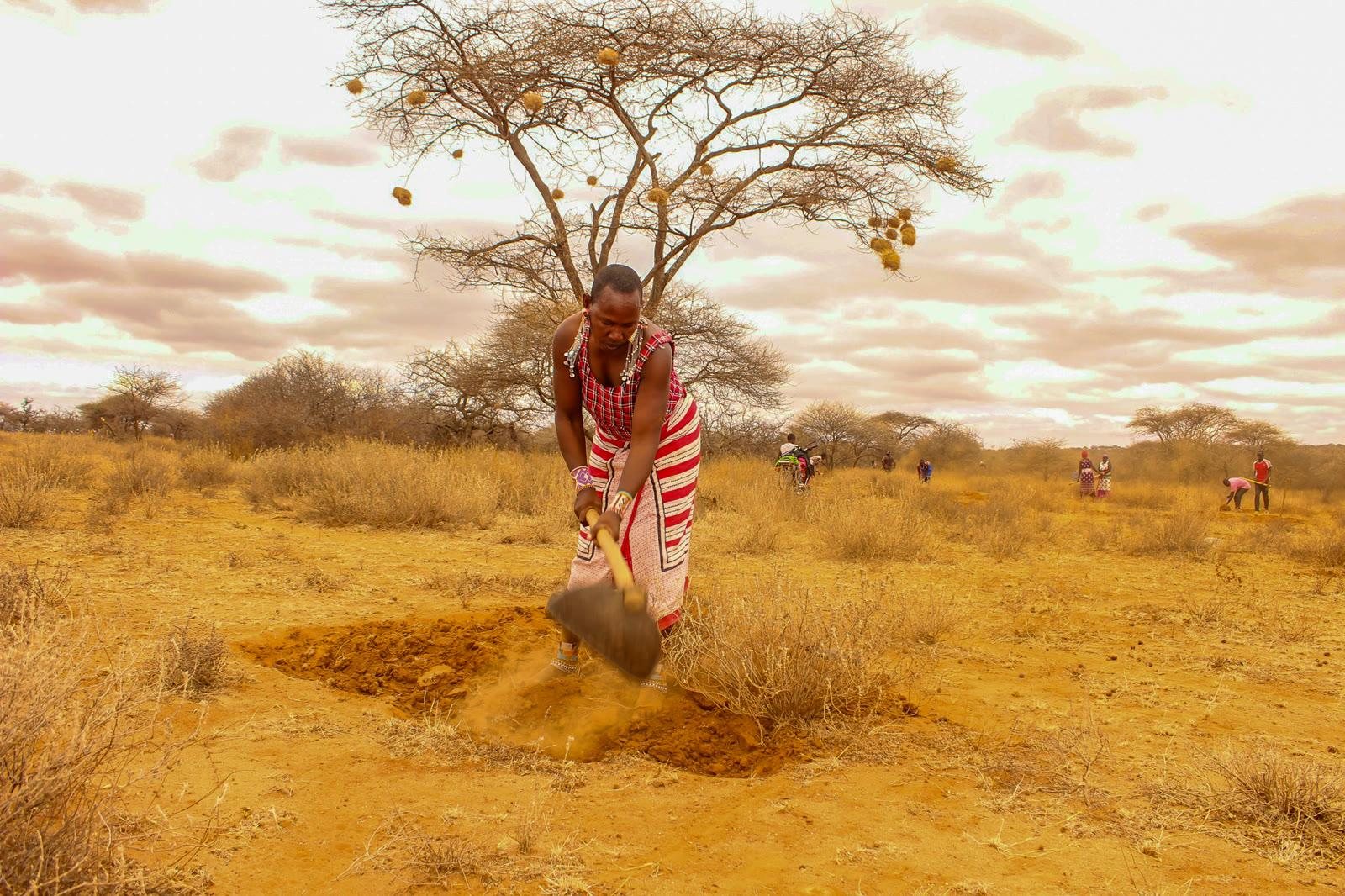
43,600 BUNDS DUG
Semi-circular rainwater harvesting bunds dug across degraded rangelands to slow runoff and revive perennial grasses.
Amboseli Pastoral Rangelands
427 WOMEN STEWARDS
Awarding women custodians at Selenkei Grass Seedbank — 427 pastoralist women actively engaged in ecosystem restoration.
Selenkei Grass Seedbank
15,000 HA SLM
Rotational grazing blocks across Chyulu Hills and Amboseli plains — 15,000 hectares under community sustainable management.
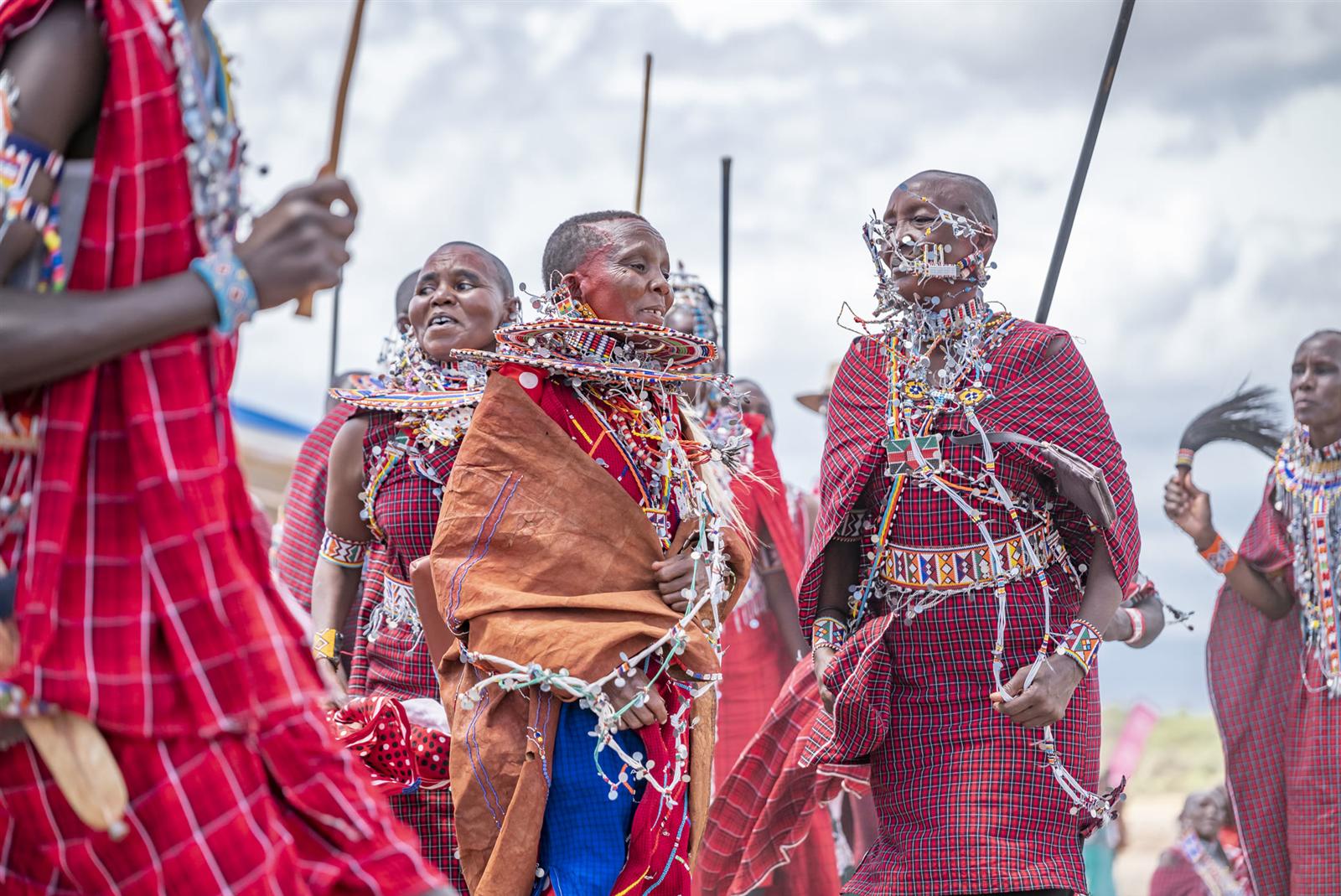
Transforms pastoralist women's socioeconomic resilience across Amboseli through grass seedbanks, beekeeping, livestock breed improvement (Sahiwal bulls & Gala goats), VSLAs, and modern beadwork.
1,021Women Supported
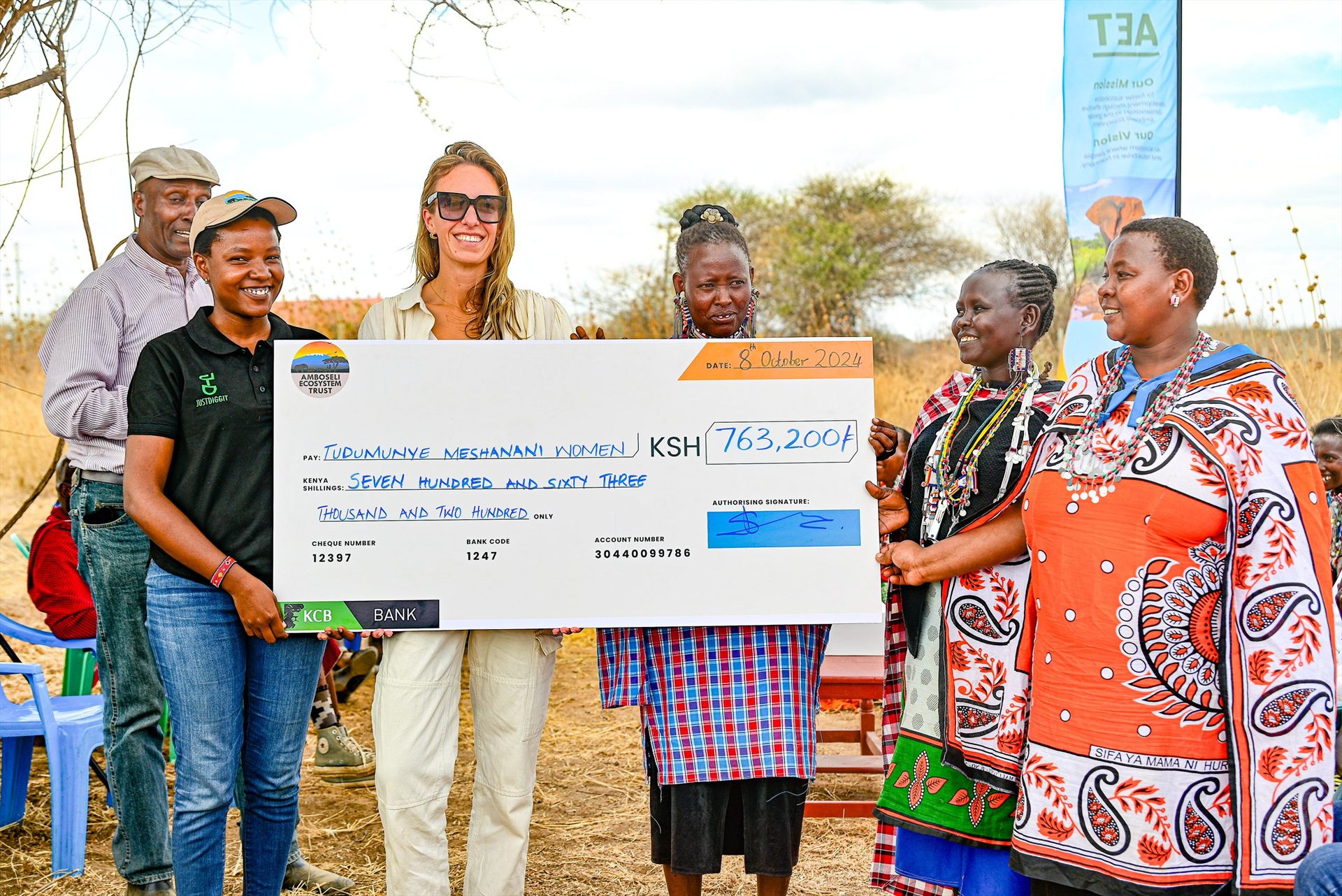
Ksh 4.7MSeed Revenue
7,832 kgSeeds Harvested
386Beehives Installed
1,021Women Supported
Across all diversified livelihood programmes
Ksh 4.70MSeed Sales Income
Direct cash earned from grass seedbank harvests
386Beehives Installed
Commercial apiculture apiaries deployed
Ksh 3.34MInputs & Equipment
Farm and beadwork tools provided
SECTION B
Programme Area B: Community Livelihoods Indicators
15 verified indicator records reported from AET Achievement.xlsx
#
Indicator Description (Source Excel Record)
Category
Reported Total
01
No of Sahiwal bulls bought for breed improvement
Livestock Genetics
7
02
No of Galla Goats bought for breed improvement
Livestock Genetics
43
03
No of pastoralist supported with Sahiwal bulls
Pastoral Beneficiaries
7
04
No of pastoralist supported with Galla Goats
Pastoral Beneficiaries
43
05
No of Beehives provided
Apiculture
386
06
No of harvesting gears provided to bee keepers
Apiculture
47
07
No of weighing scales provided to bee keepers
Apiculture
5
08
No of refractometers provided to bee keepers
Apiculture
5
09
No of Youth groups supported through agriculture
Youth Groups
3
10
Worth of farm inputs and equipments provided
Financial Inputs
Ksh 2,287,605
11
No of Beadwork groups supported
Enterprise Groups
15
12
Worth of Beads supplied to beadwork groups
Financial Inputs
Ksh 1,048,035
13
No of women supported through livelihood initiatives
Beneficiaries
1,021
14
Amount of Grass Seeds harvested from GSBs (Kgs)
Weight (Kgs)
7,831.7 Kgs
15
Women Income from Sales of Grass seeds (Ksh)
Revenue Earned
Ksh 4,699,020
Mwanamke Bora & Livelihood Documentary Field Evidence
Verified Enterprise Operations
1,021 WOMEN
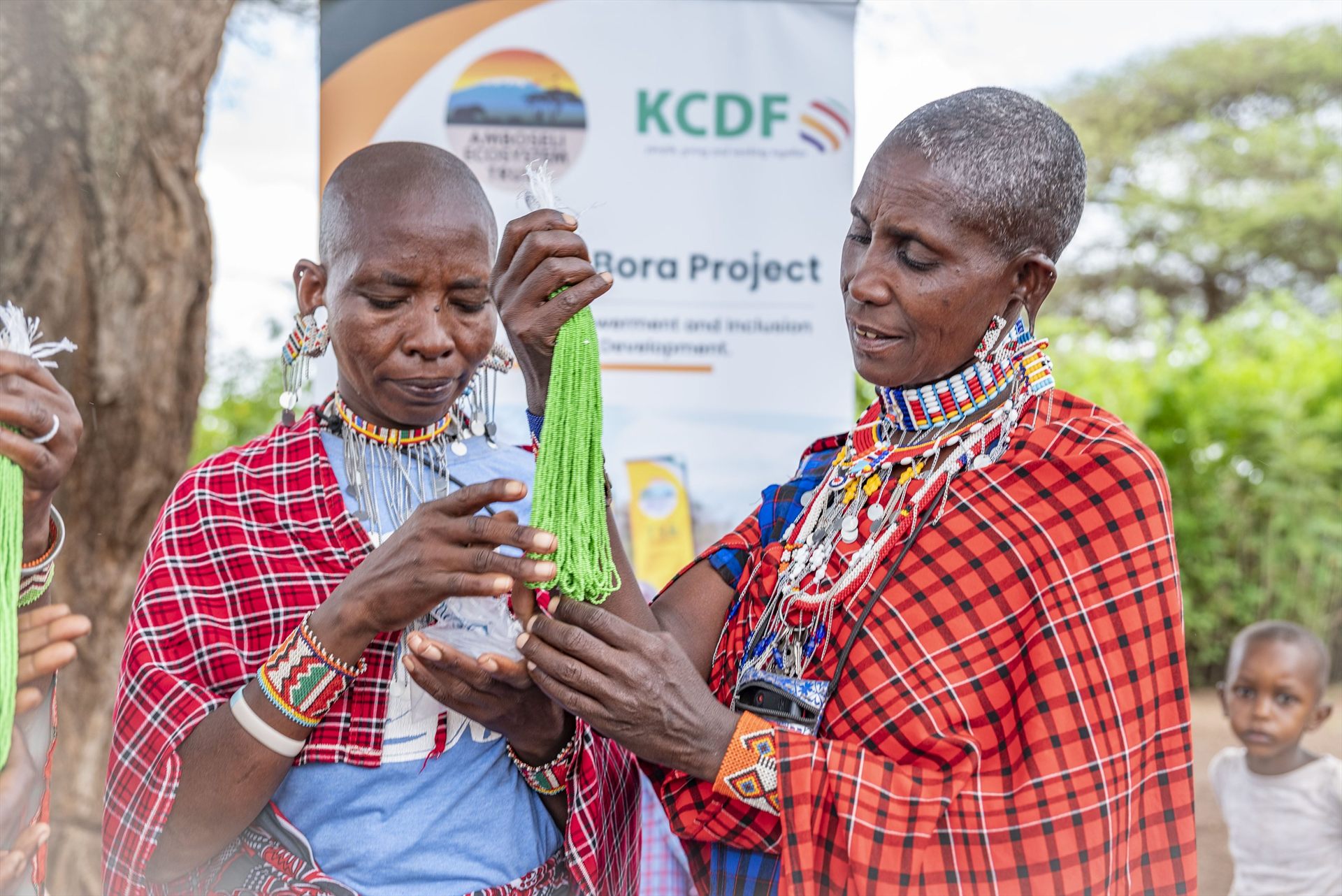
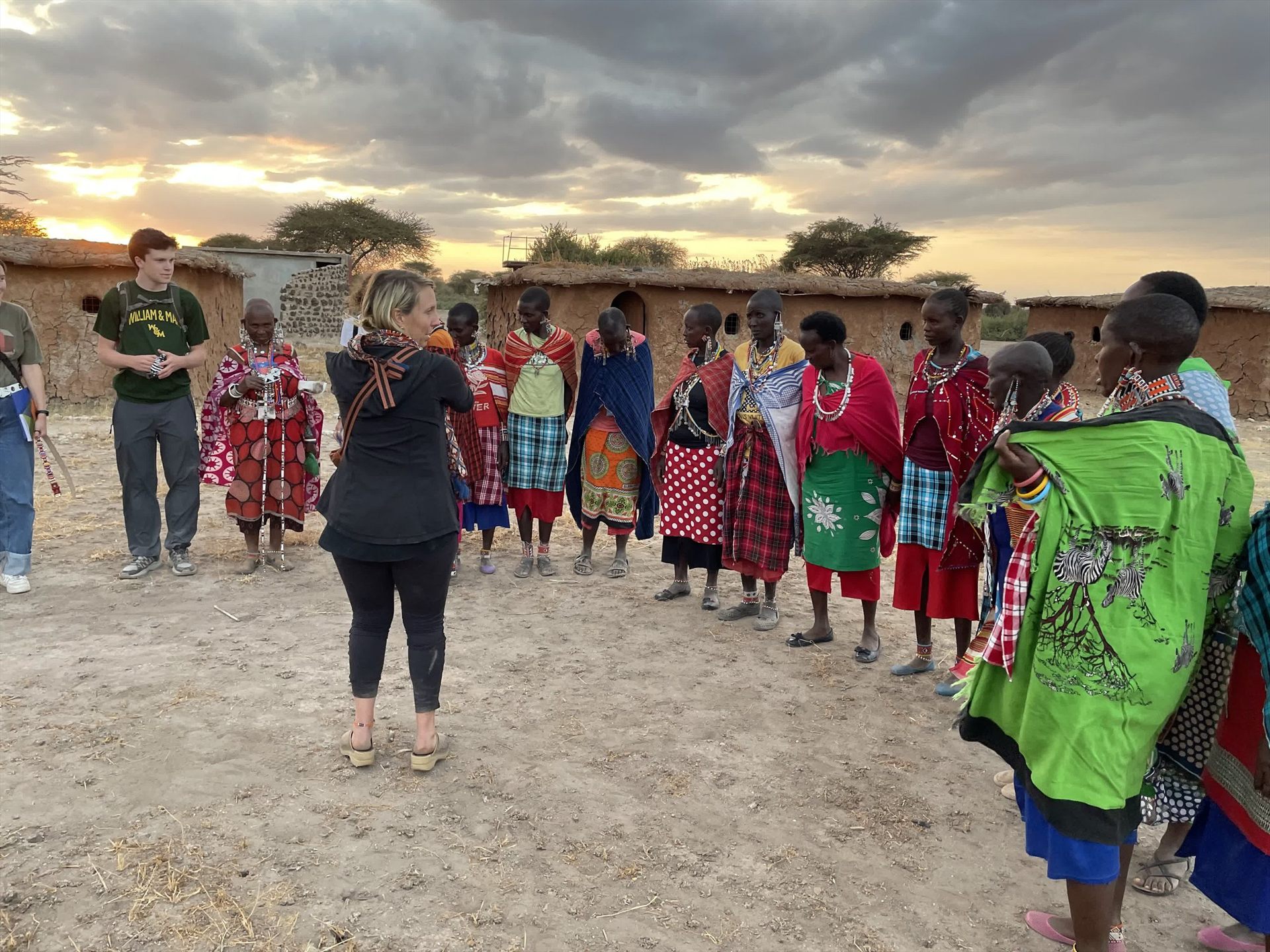
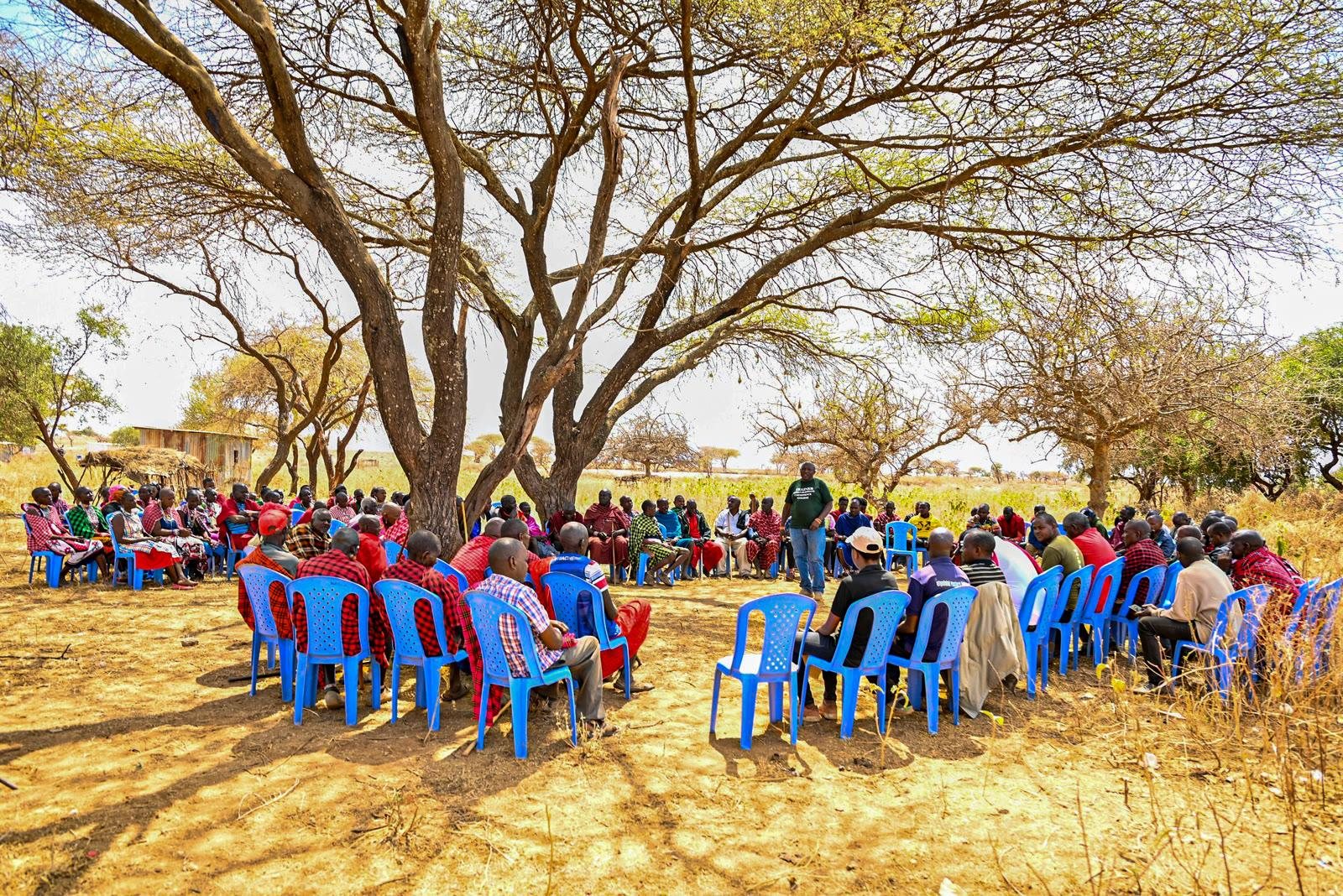
Mwanamke Bora community assembly — building economic autonomy for 1,021 pastoralist women across Amboseli.
Amboseli Conservancies Women Forum
15 BEADWORK GROUPS
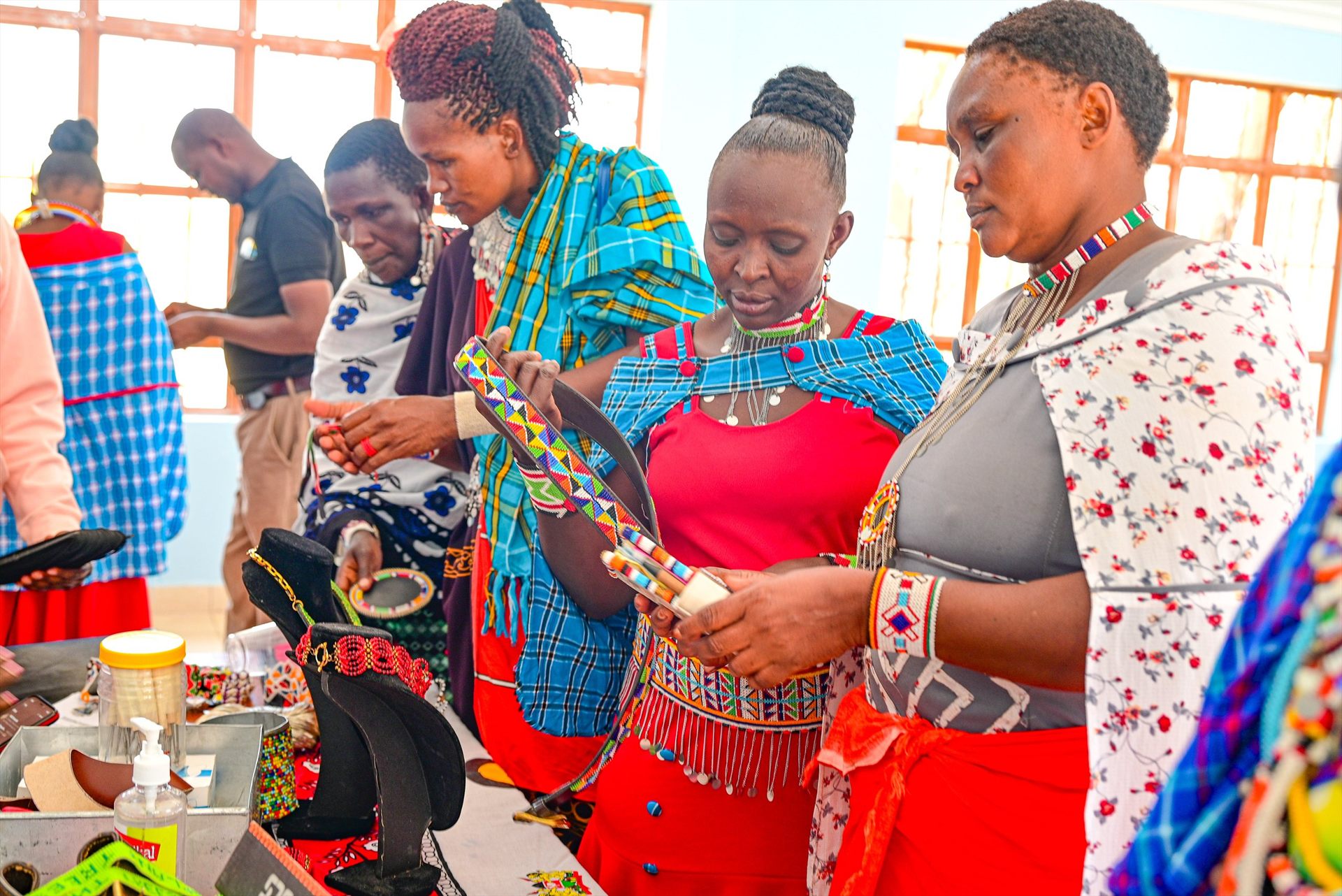
15 Beadwork groups supported with Ksh 1,048,035 worth of raw beads and access to international markets.
Cultural Beadwork Cooperatives
386 BEEHIVES
386 Bee hives installed across community conservation areas generating sustainable apiary income.
Combining financial literacy (VSLAs), smart agriculture, clean cooking, and youth sports tournaments (#Score4Nature) to empower women and youth as primary custodians of biodiversity.
265VSLA Trainees
744Students Reached
225Smart Ag ToTs
150Clean Cook ToTs
265VSLA Women Leaders
Trained on community savings and loan governance
744Students Reached
Enrolled in school conservation education cohorts
225Smart Agriculture ToTs
Women certified as climate-smart farming trainers
150Clean Cooking ToTs
Energy-saving cookstove champions across villages
SECTION C
Programme Area C: Women & Youth Inclusion Indicators
6 verified indicator records reported from AET Achievement.xlsx
#
Indicator Description (Source Excel Record)
Category
Reported Total
01
Financial and Governance training
Trained Participants
140
02
Conservation Education: Students
Youth Students
744
03
Women Trained on VSLA
Women Trainees
265
04
No of women ToTs on Smart Agriculture
Training of Trainers
225
05
No of Women ToTs on Clean cooking
Training of Trainers
150
06
No of women Trained on Modern beadwork
Artisan Trainees
51
Inclusion & Youth Documentary Field Evidence
Verified Empowerment Operations
#SCORE4NATURE
#Score4Nature football tournament uniting youth from all 6 conservancy groups around wildlife corridors.
Amboseli Youth Sports Arena
51 ARTISANS TRAINED
51 pastoralist women trained in modern beadwork techniques for premium export markets.
Artisan Guild Workshop
265 VSLA LEADERS
Women leaders gathered at Noonkotiak: 265 trained on VSLA financial management and governance.
Programme Area D: Ecosystem Planning & Spatial Management
9 verified indicator records reported from AET Achievement.xlsx
#
Indicator Description (Source Excel Record)
Category
Reported Total
01
No of Amboseli Ecosystem Management Plans developed
Master Spatial Plan
2
02
No of Conservancy with Management Plan
Statutory Plans
5
03
Number of Conservancies in the ecosystem
Community Units
42
04
Area under conservancies (acres)
Acreage
676,322 acres
05
Area under rangelands (acres)
Acreage
623,678 acres
06
Area of Amboseli Ecosystem (Million acres)
*Preserved verbatim per source workbook; see verification note below
Landscape Area
1,366,289
07
Number of Land Use Plans
Zoning Plans
3
08
Number of Grazing Management Plans
Grazing Plans
2
09
No of Strategic Environmental Assessment (SEA) reports developed
Statutory Reports
3
Data Integrity Note on Indicator 06: "Area of Amboseli Ecosystem (Million acres)"
The source workbook AET Achievement.xlsx explicitly records the value 1,366,289 under the column header "Area of Amboseli Ecosystem (Million acres)". In accordance with strict data integrity guidelines, this exact reported value has been preserved verbatim. Contextually, 1,366,289 represents total acreage (approx. 1.37 million acres / ~5,500 km²), precisely matching the combined sum of Area under Conservancies (676,322 acres) and Area under Rangelands (623,678 acres) plus buffer areas (approx. 66,289 acres).
Ecosystem Planning & Spatial Cartography
Verified Spatial Operations
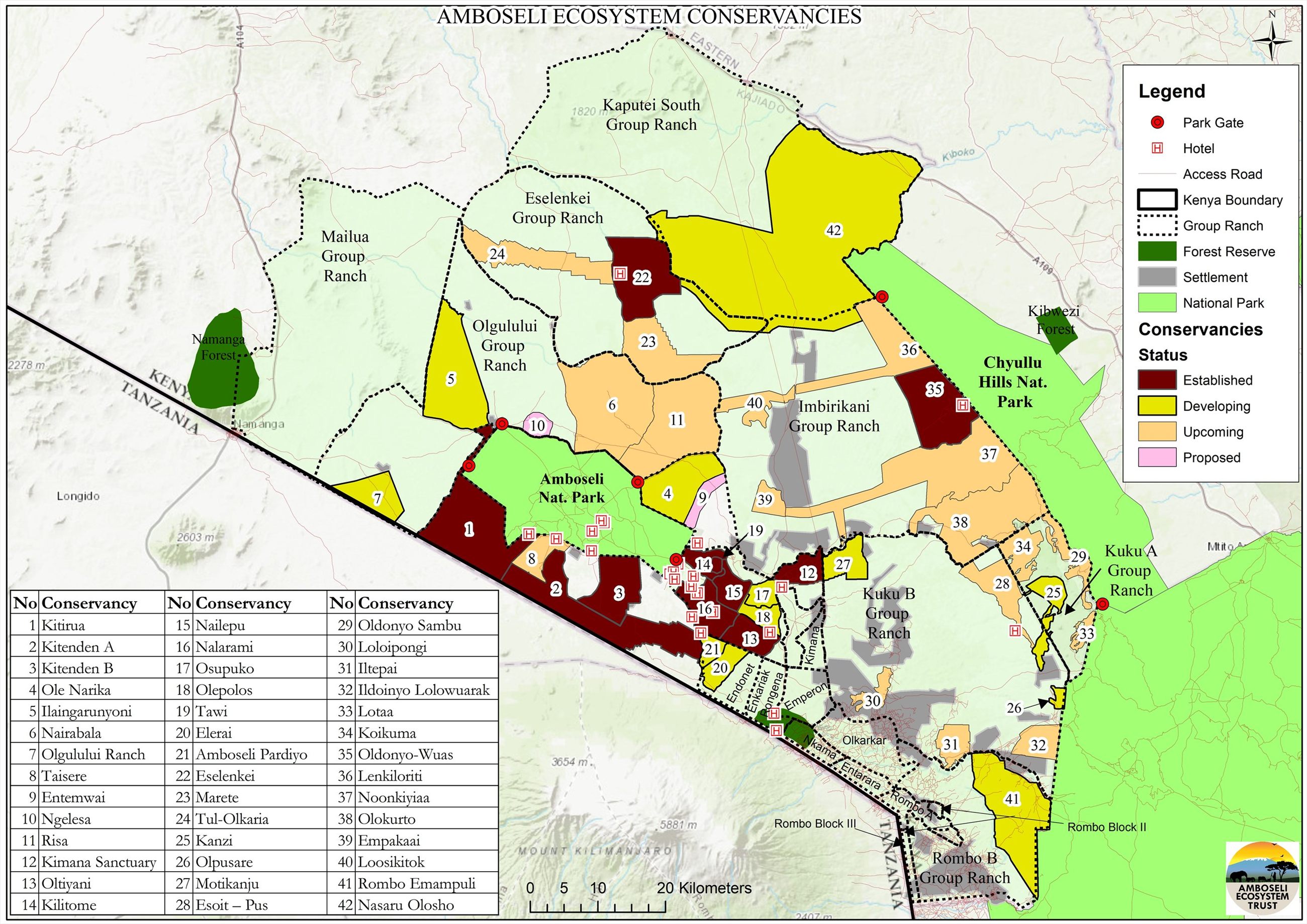
OFFICIAL 2026 MAP
Official spatial cartography: 42 gazetted community conservancies and wildlife corridors across 1.3M acres.