Community Resilience and Sustainable Livelihoods
Mwanamke Bora Initiative, Commercial Apiculture, Seedbanks & Micro-Enterprise
Empowering over 1,021 pastoralist women through the flagship Mwanamke Bora program, generating KSH 4,699,020 from native grass seed sales, establishing 386 commercial bee hives, boosting VSLA loan kitties, and distributing livestock breeds to build climate-smart household resilience.
Conservation & Community Bottlenecks
Pastoral communities in southern Kenya have historically depended almost entirely on livestock herds for wealth and subsistence. Extreme droughts caused by climate disruption can decimate entire herds in weeks, leaving families destitute and forcing unsustainable environmental exploitation such as illegal charcoal burning and illegal land leases.
What We Aim to Achieve
- ✓ Diversify household revenue streams through climate-resilient, nature-based conservation enterprises.
- ✓ Establish modern commercial apiculture (beekeeping) in acacia corridors to generate income and deter elephants.
- ✓ Promote household kitchen gardens using water-efficient drip systems to enhance child nutrition.
- ✓ Introduce energy-saving cookstoves (jikos) to curb indoor smoke pollution and reduce tree-felling for firewood.
Main Activities & Solutions
Structured field workflows implemented in partnership with pastoral landowners, KWS, conservancy boards, and technical institutions.
 ACTIVITY 01
Apiculture • Premium Honey
Commercial Beekeeping Cooperatives
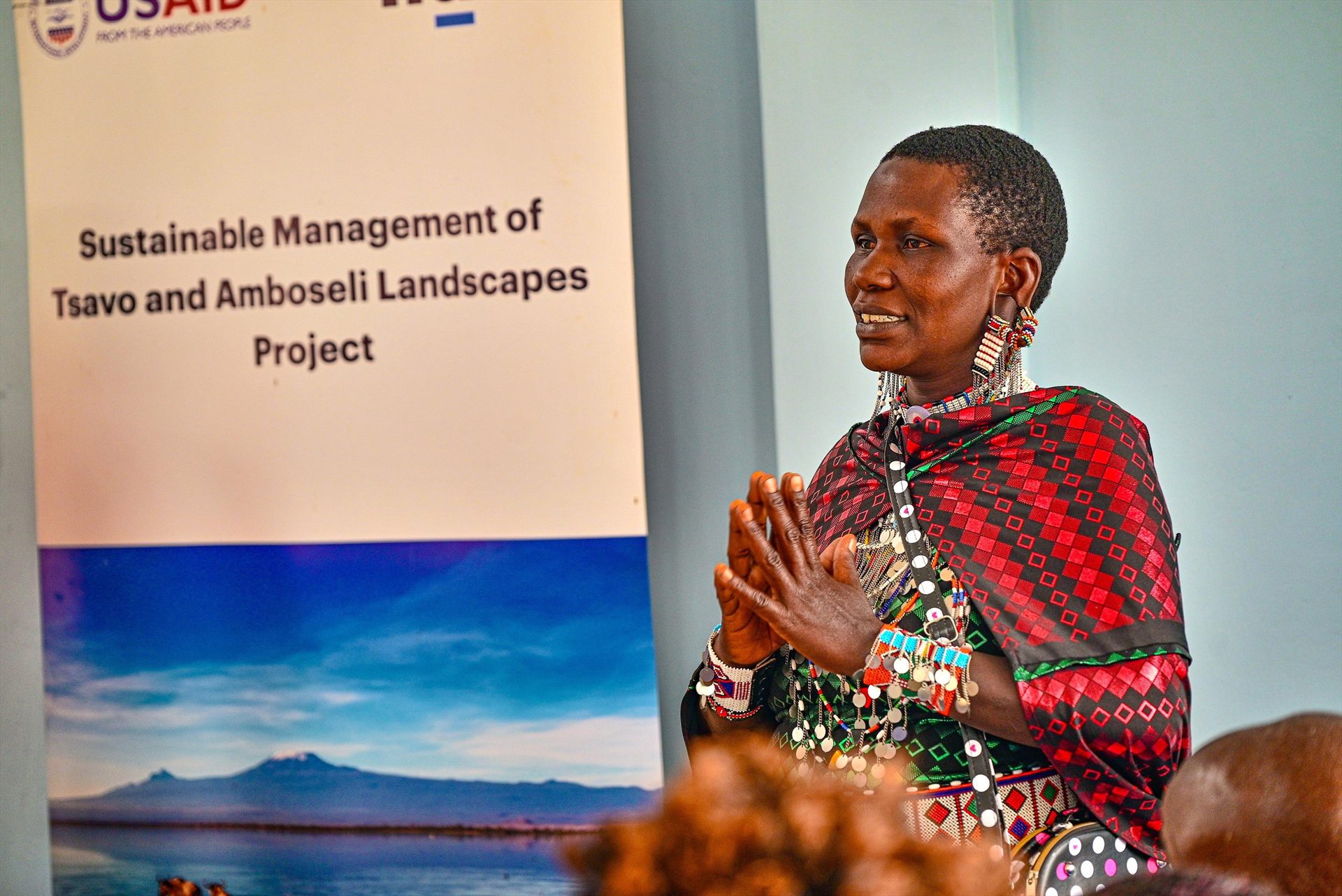
Installing top-bar and Langstroth beehives in acacia woodlands, providing gear and connecting beekeepers to premium markets.
- • Modern apiaries in protected acacia woodlands
- • Connecting honey cooperatives to retail buyers
 ACTIVITY 02
Nutrition • Water Recycling
Household Kitchen Gardens & Food Security
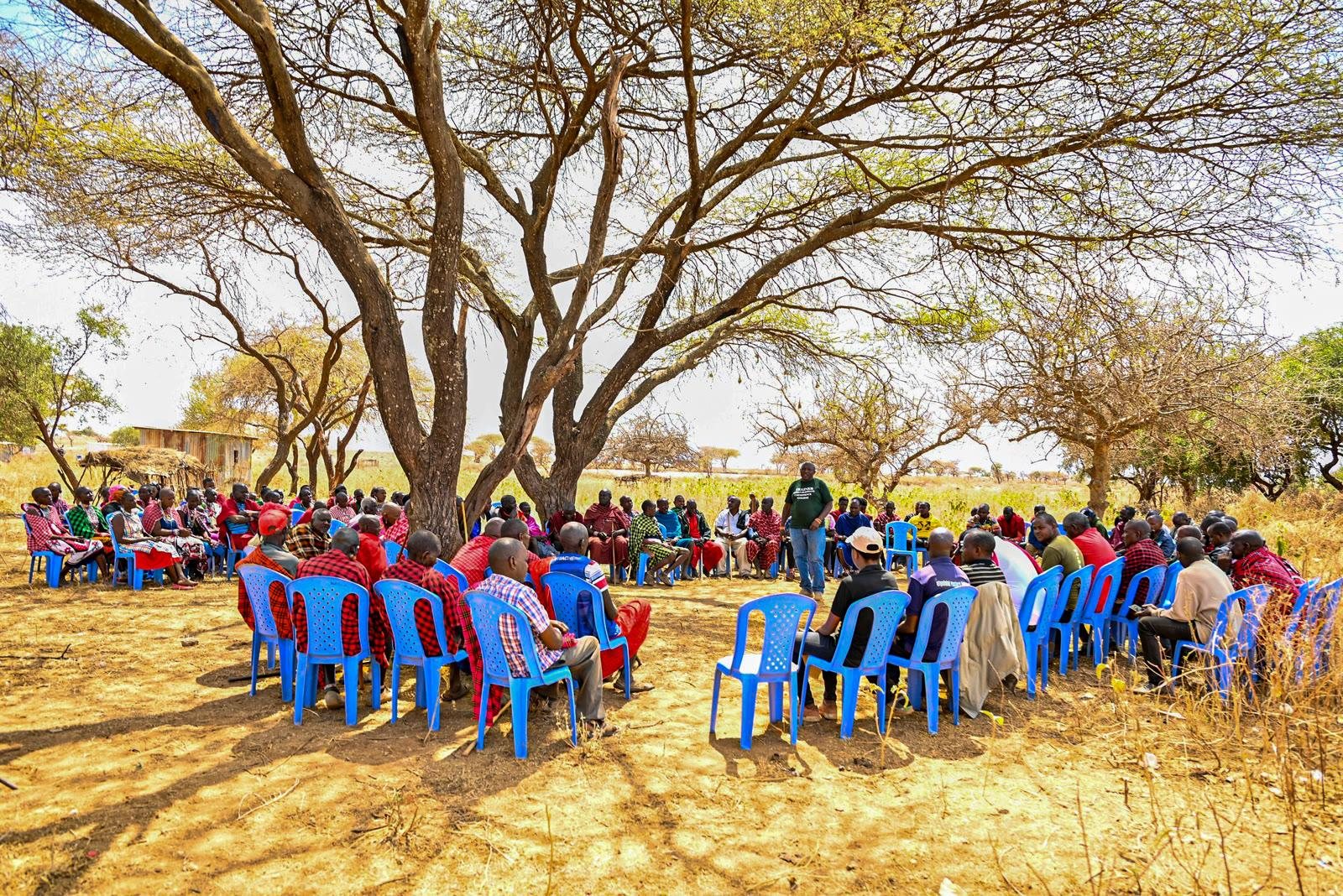
Training pastoral women in permaculture, greywater recycling, and multi-storey vegetable gardening to produce kale and tomatoes.
- • Multi-storey vertical vegetable sack gardens
- • Solar drip irrigation & greywater recycling
 ACTIVITY 03
Commercial Seeds • Women Groups
Grass Seed Commercial Value Chains
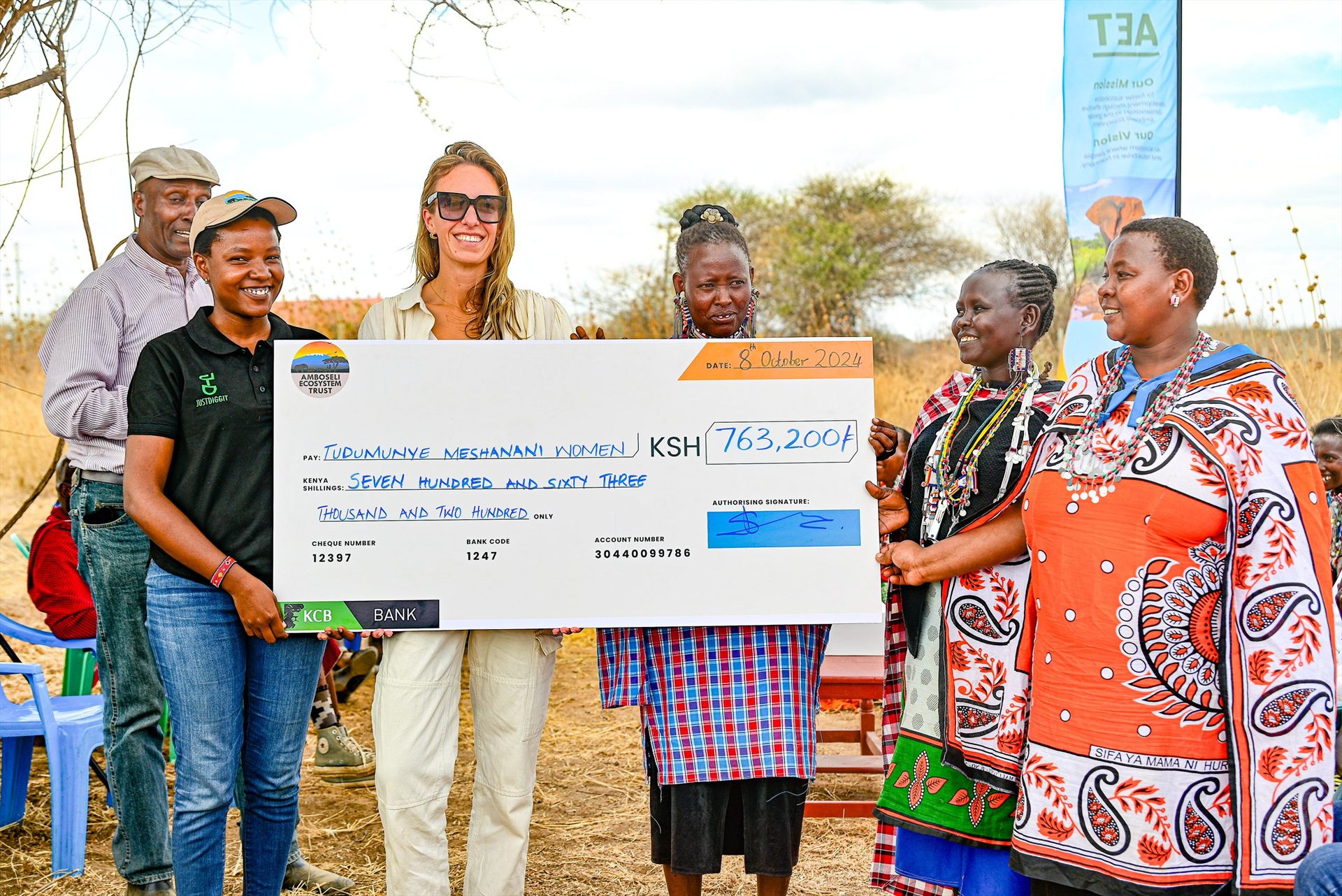
Assisting women grass harvesting groups to package, brand, and sell indigenous pasture seeds to restoration NGOs and ranches.
- • Certified commercial packaging & germination
- • Direct electronic payment to women producers
 ACTIVITY 04
Clean Energy • Woodland Protection
Clean Energy Cookstoves & Woodland Care
Distributing fuel-efficient cookstoves that reduce firewood consumption by up to 60%, drastically cutting deforestation pressure.
- • 60% reduction in household firewood consumption
- • Protecting indigenous acacia woodland corridors
Mwanamke Bora: Transforming Women's Livelihoods in Amboseli
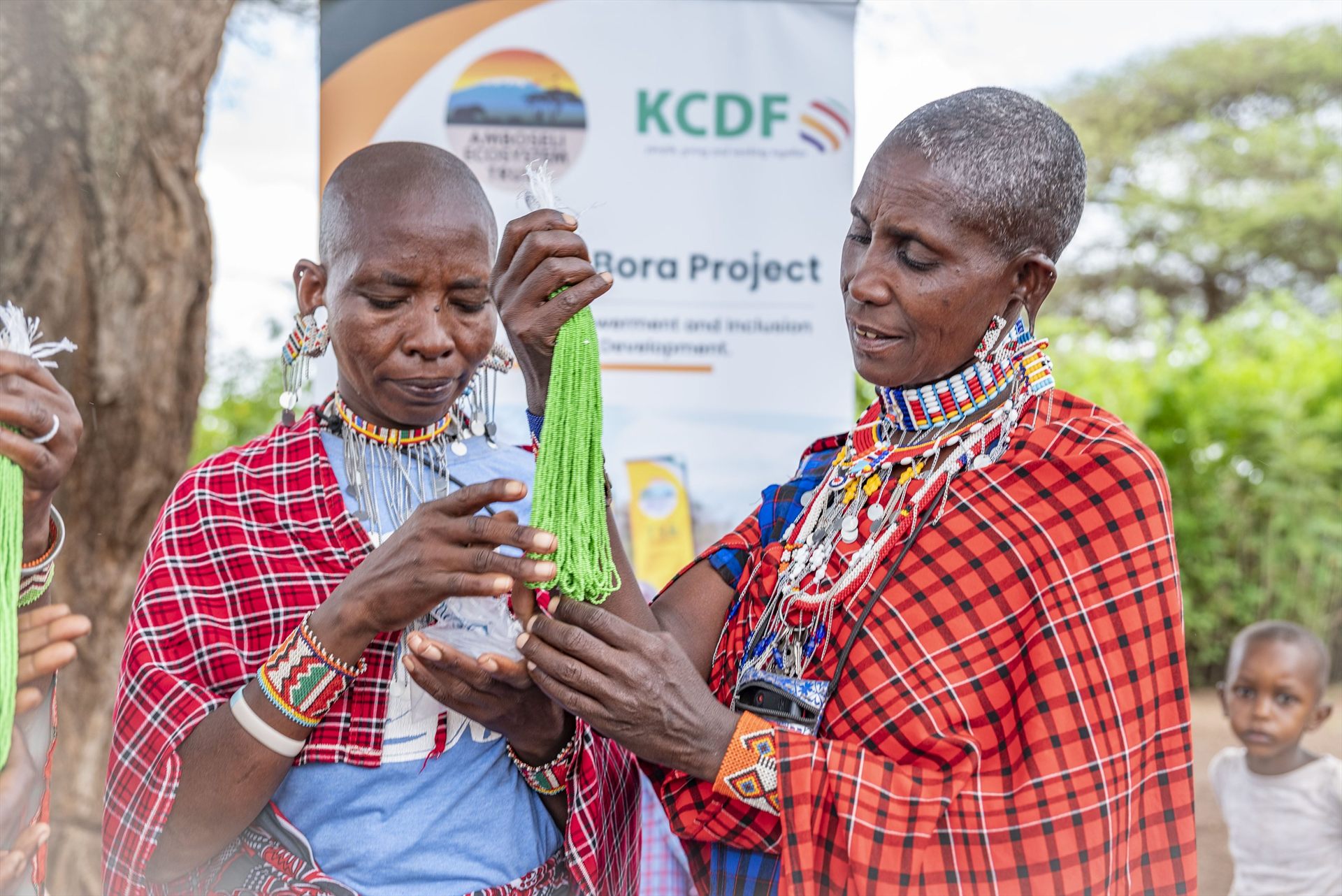
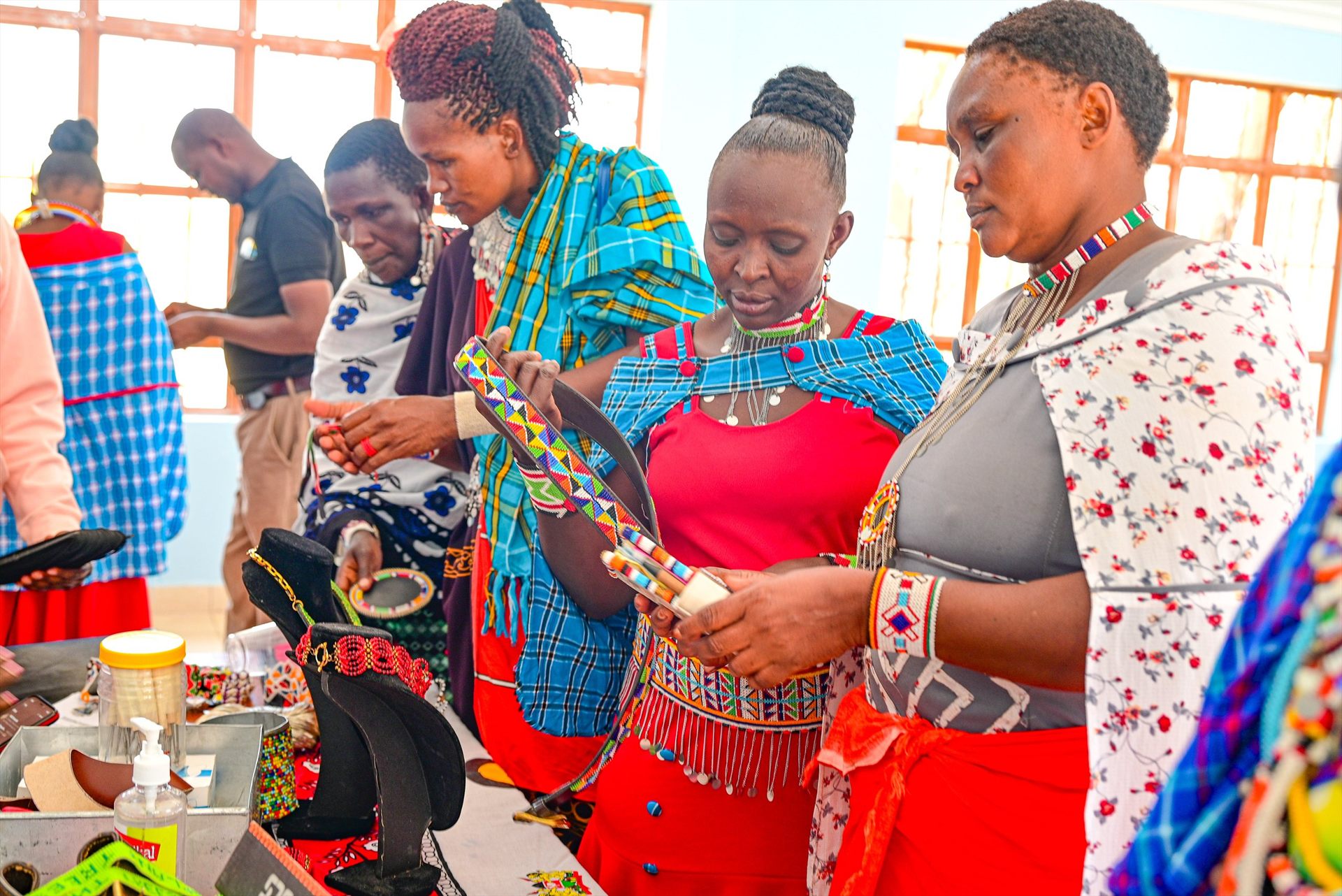
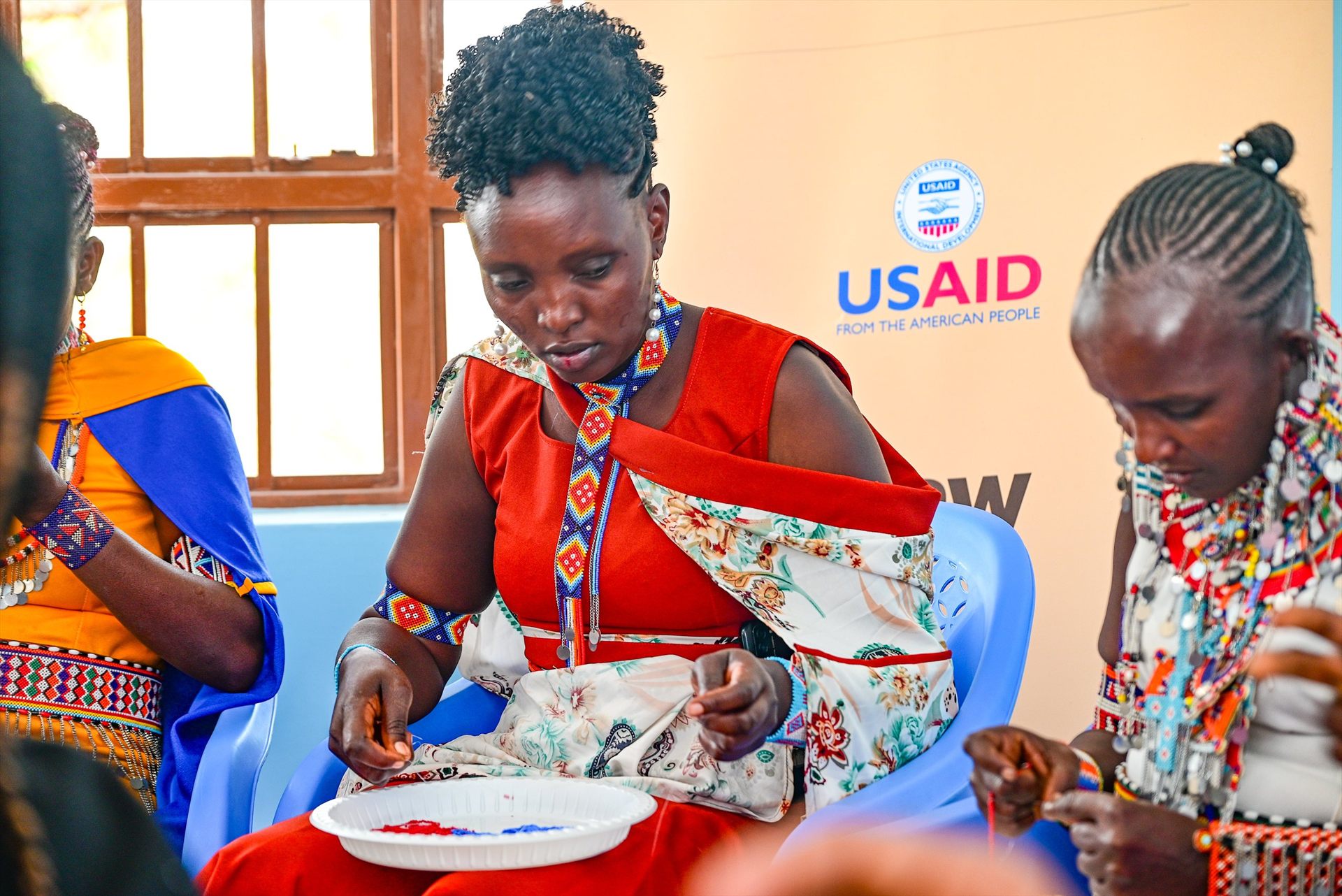
The Mwanamke Bora program is AET's signature gender and climate resilience vehicle. By empowering Maasai pastoralist women through native grass seed commercialization, VSLA micro-credit loan boosts, modern beadwork value addition, clean cookstove adoption, and improved livestock genetics, Mwanamke Bora delivers dignified household revenue while safeguarding critical wildlife rangelands.
Community Livelihood Programme Indicators
Full reporting data extracted verbatim from AET Achievement.xlsx Section B. Recording tangible community economic impact across apiculture, livestock breed enhancement, VSLA financial infusions, youth farming, and women grass seed enterprise.
| # | Indicator Description (Official Source Record) | Metric Type | Reported Total |
|---|---|---|---|
| 01 |
No of Energy saving jikos established
|
Clean Cooking | 136 |
| 02 |
No of Bee hives Installed
|
Apiculture Hives | 386 |
| 03 |
No of Kitchen Gardens established
|
Gardens | 10 |
| 04 |
Breed Improvement: No of Sahiwal bulls purchased
|
Livestock Bulls | 20 |
| 05 |
No of women-livestock groups supported
|
Women Groups | 3 |
| 06 |
No of Gala goats issued women-livestock groups
|
Dairy/Meat Goats | 90 |
| 07 |
Number of VSLA Groups supported with loan Kitty boost
|
VSLA Collectives | 5 |
| 08 |
Amount of VSLA kitty boost to women groups
|
Financial (Ksh) | Ksh 500,000 |
| 09 |
No. of Agriculture youth groups supported
(Reported: No. of Agriculture youh groups suppoted)
|
Youth Groups | 3 |
| 10 |
Worth of farm inputs and equipments provided
|
Financial (Ksh) | Ksh 2,287,605 |
| 11 |
No of Beadwork groups supported
|
Artisan Groups | 15 |
| 12 |
Worth of Beads supplied to beadwork groups
|
Financial (Ksh) | Ksh 1,048,035 |
| 13 |
No of women supported through livelihood initiatives
|
Beneficiaries | 1,021 |
| 14 |
Amount of Grass Seeds harvested from GSBs (Kgs)
|
Kilograms (Kgs) | 7,831.7 |
| 15 |
Women Income from Sales of Grass seeds (Ksh)
|
Financial (Ksh) | Ksh 4,699,020 |
Grassroots Enterprise & Indigenous Economy
Visual documentation of grass seed harvest enterprises, commercial beekeeping, luxury beadwork cooperatives, and direct economic dividend payouts across Amboseli.
Economic Impact of Wildlife Conservation Report
Joint economic valuation produced with Amboseli Trust for Elephants detailing community benefits and dividends.
Sweet Harvests in Elephant Country: The Honey Keepers
How acacia beekeeping created sustainable revenue while acting as a natural deterrence fence.
Explore All 8 Conservation Programmes
Our eight directorates work in lockstep across 1.36 million acres. Select any strategic programme below to inspect its field interventions, verified indicators, and photography archives.
Ecosystem Planning & Management
Spatial land-use zoning, corridor legal protection, and AEMP master plan enforcement across 1.36M acres.
Conservancies Development & Governance
Securing 676,322 acres of communal tenure, democratic land leases, and ecotourism benefit-sharing across 42 conservancies.
Rangeland Management & Restoration
43,600 rainwater harvesting bunds, 15 women seedbanks, and 44 grazing committees restoring 15,000 hectares.
Wildlife Security & Coexistence
744 community rangers, predator-proof bomas, zero elephant poaching, and rapid conflict de-escalation response.
Resilient Community Livelihoods
Grass seedbank enterprise sales (Ksh 4.7M), commercial apiculture with 386 hives, and artisan beadwork exports.
Women & Youth Inclusion
1,021 pastoral women in VSLAs, #Score4Nature athletic leagues for morans, and gender parity in governance.
Institutional Development & Growth
100% unqualified statutory audits, GIS operations lab at Noonkotiak, and sustainable landscape trust funding.
Conservation Education & Awareness
35 partner schools, 744 student eco-club bursaries, experiential park game drives, and elder community barazas.
Support Community Resilience and Sustainable Livelihoods
Your partnership directly funds field operations, community ranger patrols, rangeland restoration, and pastoral livelihood security across Amboseli.